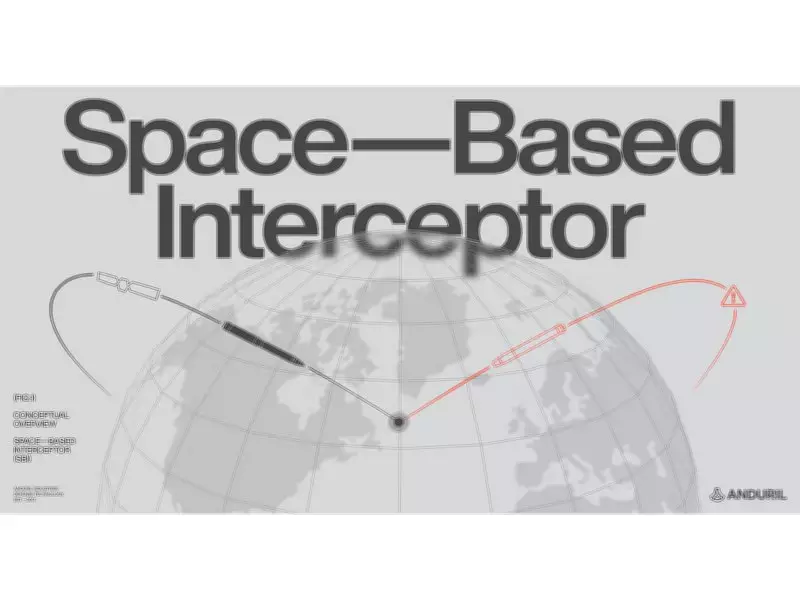
Anduril Industries, a US-based defense technology company, has been selected to lead a consortium for the development of space-based interceptors as part of the Golden Dome defense system. The initiative, announced by the US Department of Defense, aims to create a next-generation missile shield capable of intercepting threats from space.
Consortium Details
The consortium includes several major defense contractors and technology firms, though specific partners were not disclosed. Anduril will oversee the design, testing, and integration of the interceptors, which are expected to be deployed in low Earth orbit. The project is part of a broader effort to modernize US missile defense capabilities against evolving threats from hypersonic and ballistic missiles.
Strategic Importance
The Golden Dome system is named after the protective dome concept, emphasizing a layered defense approach. Space-based interceptors offer the advantage of global coverage and rapid response times, reducing reliance on ground-based systems. This aligns with the US Space Force's priorities to enhance space domain awareness and defensive capabilities.

Timeline and Funding
The development phase is expected to span five years, with initial testing slated for 2028. The US government has allocated an initial budget of $1.2 billion for the consortium's work. Anduril, known for its advanced AI and autonomous systems, will leverage its expertise in software-defined hardware to accelerate development.
Industry Impact
This award positions Anduril as a key player in the space defense sector, competing with traditional giants like Lockheed Martin and Northrop Grumman. The company's approach emphasizes rapid prototyping and iterative design, which could shorten deployment timelines. The consortium's success may reshape how the Pentagon procures complex defense systems.
Challenges and Criticisms
Critics question the feasibility and cost of space-based interceptors, citing technical hurdles such as tracking and engaging targets at extreme speeds. However, proponents argue that the evolving threat landscape necessitates such investments. The project will also face scrutiny over space debris concerns and international treaties governing weaponization of space.
Anduril has not commented on the specifics of the interceptor design, but the company has previously demonstrated directed energy and kinetic interceptor concepts. The consortium is expected to provide regular updates to the Department of Defense as development progresses.