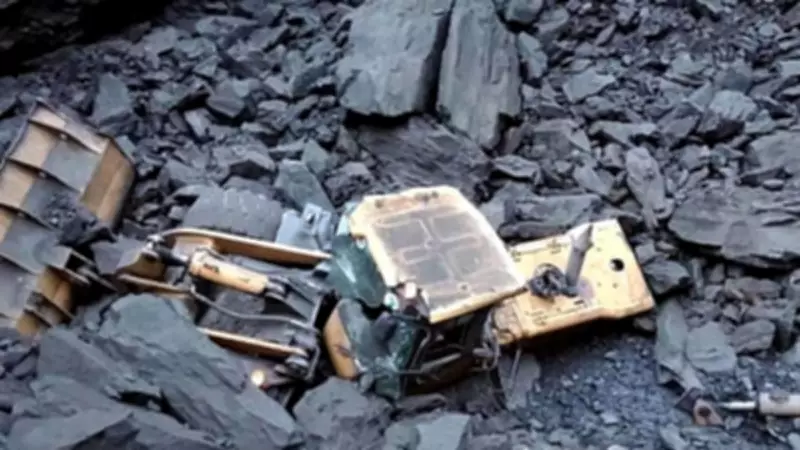
A catastrophic explosion at an illegal coal mine in Meghalaya has resulted in the tragic deaths of sixteen labourers, with several others feared trapped under debris, according to recent reports. The incident has sent shockwaves through the region, underscoring the persistent dangers associated with unlawful mining activities despite regulatory measures.
Details of the Meghalaya Coal Mine Tragedy
The blast occurred at a site where coal was being extracted through prohibited methods, leading to immediate fatalities and raising concerns about the safety of workers involved in such hazardous operations. Rescue efforts are currently underway, with authorities scrambling to locate and assist those who may still be trapped in the aftermath of the explosion.
Historical Context of Mining Bans in Meghalaya
This tragedy comes against the backdrop of a significant regulatory intervention. In 2014, the National Green Tribunal (NGT) imposed a comprehensive ban on rat-hole coal mining and other unscientific mining practices in Meghalaya. The NGT's decision was primarily motivated by severe environmental damage and substantial safety risks posed by these methods.

The tribunal also restricted the illegal transportation of coal extracted through such banned techniques, aiming to curb the proliferation of unsafe mining operations. However, today's incident suggests that these regulations have not been fully effective in preventing dangerous activities, leading to renewed calls for stricter enforcement and oversight.
Implications for Worker Safety and Environmental Protection
The loss of life in this blast highlights critical issues surrounding labour safety in India's mining sector, particularly in regions where illegal practices persist. Families of the victims and local communities are grappling with grief and uncertainty, as the full extent of the tragedy continues to unfold.
Environmental advocates have pointed out that such incidents not only endanger human lives but also exacerbate ecological degradation, undermining efforts to promote sustainable development in resource-rich areas like Meghalaya.
Ongoing Response and Future Considerations
As rescue operations proceed, authorities are expected to investigate the causes of the blast and assess compliance with existing bans. This event may prompt:
- Enhanced monitoring of mining sites to prevent similar tragedies.
- Strengthened penalties for violations of NGT regulations.
- Increased awareness campaigns on the risks of illegal mining practices.
The incident serves as a stark reminder of the urgent need to balance economic activities with safety and environmental stewardship, ensuring that such devastating losses are avoided in the future.