

Stagnant Wages and Simmering Unrest: A Growing Economic Concern
In recent years, a troubling trend has emerged across global economies: wages have remained largely stagnant while the cost of living continues to rise sharply. This disparity is not merely a statistical anomaly but a source of deepening social and economic unrest. Workers worldwide are grappling with the harsh reality that their earnings are failing to keep pace with inflation, leading to widespread dissatisfaction and, in some cases, open protest.
The Root Causes of Wage Stagnation
Several factors contribute to this persistent wage stagnation. Technological advancements and automation have displaced many traditional jobs, creating a surplus of labor in certain sectors that suppresses wage growth. Additionally, globalization has intensified competition, often pushing companies to cut costs, including labor expenses, to remain competitive in international markets. Weak labor unions and regulatory frameworks in many regions have further eroded workers' bargaining power, making it difficult for them to demand higher pay.
Moreover, economic policies in some countries have prioritized corporate profits over wage increases, exacerbating income inequality. The gig economy and precarious employment arrangements have also played a role, as these jobs typically offer lower wages and fewer benefits compared to traditional full-time positions.

The Consequences of Rising Unrest
The simmering unrest among workers is manifesting in various forms, from strikes and demonstrations to increased political polarization. When wages stagnate, household purchasing power declines, which can dampen consumer spending—a key driver of economic growth. This, in turn, can lead to slower economic expansion and higher unemployment rates.
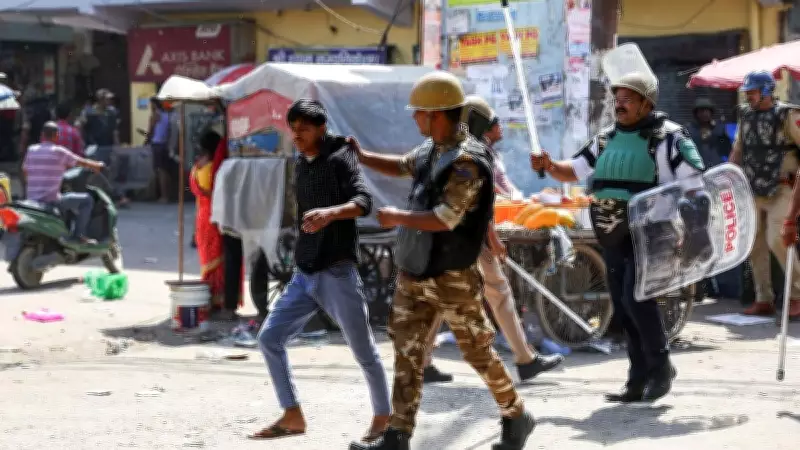
Socially, the frustration over stagnant wages can fuel discontent and erode trust in institutions. In extreme cases, it may contribute to social instability, as seen in protests in several countries where citizens have taken to the streets to demand better living standards and fairer economic policies.
Potential Solutions and Policy Interventions
Addressing this issue requires a multifaceted approach. Governments and policymakers must consider the following strategies:
- Strengthening Labor Protections: Enhancing minimum wage laws and supporting collective bargaining can help ensure workers receive fair compensation.
- Investing in Education and Training: Equipping workers with skills for high-demand industries can improve their employability and wage prospects.
- Promoting Inclusive Growth: Economic policies should focus on reducing inequality and ensuring that the benefits of growth are shared more broadly across society.
- Encouraging Corporate Responsibility: Companies should be incentivized to invest in their workforce through better wages and benefits, rather than solely prioritizing shareholder returns.
In conclusion, the issue of stagnant wages and the resulting unrest is a critical challenge that demands urgent attention. By implementing thoughtful policies and fostering dialogue between stakeholders, it is possible to create a more equitable economic landscape that benefits all members of society.






