

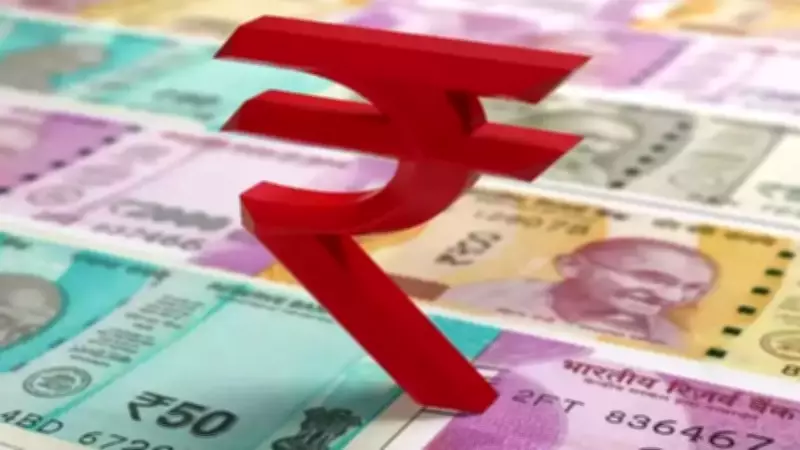
Indian Rupee Records Steepest Annual Decline in 14 Years During FY26
The Indian rupee has experienced a significant depreciation of 9.88 percent against the US dollar in the fiscal year 2026, marking its most severe annual decline in 14 years, according to market data reported by PTI. This sharp fall represents the worst performance for the domestic currency since FY12, when it dropped by 12.4 percent amid a widening current account deficit of 4.2 percent.
Key Drivers Behind the Rupee's Sharp Depreciation
The substantial depreciation in FY26 was primarily driven by persistent foreign fund outflows, elevated crude oil prices, and a strengthening US dollar. Additional pressure on the currency came from volatility in global financial markets and tightening liquidity conditions. These factors combined to create a challenging environment for the rupee throughout the fiscal year.
Sunal Sodhani, head of treasury at Shinhan Bank India, characterized FY26 as a "perfect storm" of external shocks, capital outflows, and structural vulnerabilities. He emphasized that the drivers of the current depreciation differ significantly from those observed in FY12.

"Unlike FY12, which was more domestic plus taper tantrum-led, FY26 depreciation is externally driven by oil, geopolitics, capital flight, and amplified by India's import dependence," Sodhani explained to PTI.
Initial Triggers and Escalating Pressures
The initial weakness in the rupee was triggered after the United States imposed tariffs on India, leading to a surge in demand for the US dollar. The situation deteriorated further with the escalation of the West Asia conflict, which pushed crude oil prices higher and intensified pressure on the domestic currency.
These tariffs also negatively impacted equity and debt markets, resulting in sustained foreign capital outflows. Consequently, the rupee touched successive record lows, breaching the psychological mark of 95 against the US dollar, despite interventions by the Reserve Bank of India.
RBI's Response and Market Measures
To support the currency, the Reserve Bank of India sold $55.073 billion in the spot market until January in FY26. The central bank has also introduced regulatory measures to curb excessive speculation. On Friday, the RBI announced that banks can hold only up to $100 million in net open positions in the onshore currency market at the end of each trading day, effective from April 10.
This move briefly supported the rupee in early trade on Monday, though gains were later erased due to strong dollar demand from oil companies and corporates, according to traders. The currency witnessed high volatility during the session, swinging 165 paise intra-day as the West Asia crisis entered its 31st day. It eventually closed 7 paise higher at 94.78 against the dollar after touching an intra-day low beyond 95.
"Rupee rose, but again fell due to some big corporate buying, squaring up of position in NDF, Nationalised banks buying and oil companies buying," said Anil Kumar Bhansali, head of treasury and executive director at Finrex Treasury Advisors LLP.
Performance of Other Asian Currencies
Other Asian currencies also weakened against the US dollar during the same period. According to market participants, the Japanese yen declined by 6 percent, the Philippine peso fell by 5.74 percent, and the South Korean won slipped by 2.88 percent since April 1.
Future Outlook and Market Expectations
Market participants anticipate that the rupee will remain volatile in the coming period. Sodhani highlighted that the outlook depends on three critical variables: oil prices, capital flows, and global interest rates.
"The new normal is higher volatility plus gradual depreciation, not stability around a fixed band. In FY27, for the USD/INR pair, 92-97 remains the broader range play," Sodhani added, indicating expectations for continued pressure on the currency.
The combination of external economic factors and domestic vulnerabilities suggests that the Indian rupee may face ongoing challenges in maintaining stability against the US dollar in the near future.






