Indian Rupee Crashes to Unprecedented Low Against US Dollar
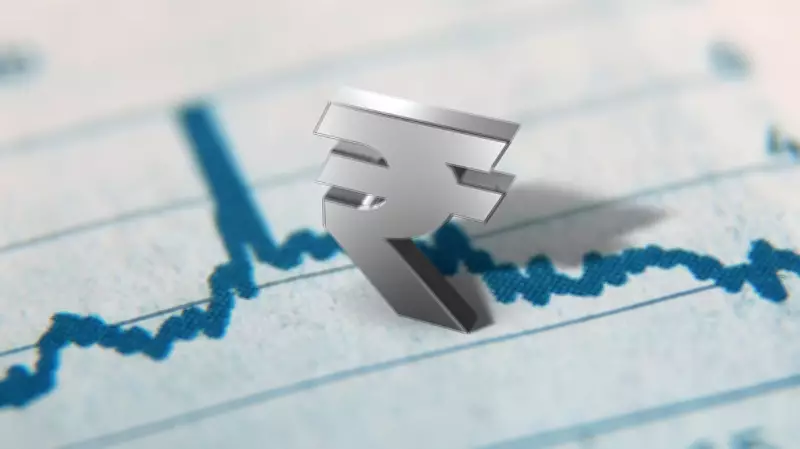
The Indian rupee experienced a sharp decline in the forex market, plummeting by 67 paise to settle at an all-time low of 92.16 against the US dollar. This significant drop marks a new record for the currency, reflecting heightened volatility and mounting pressures in the global financial landscape.
Key Factors Behind the Rupee's Steep Fall
Several critical elements contributed to the rupee's dramatic depreciation. Strong demand for the US dollar from importers and corporations played a pivotal role, as businesses sought to hedge against further currency fluctuations. Additionally, global economic uncertainties, including inflationary trends and geopolitical tensions, have bolstered the dollar's appeal as a safe-haven asset, putting downward pressure on emerging market currencies like the rupee.
Market analysts point to rising crude oil prices and outflows from foreign portfolio investors as other major drivers. India's dependency on oil imports means that higher global oil costs increase the dollar demand, exacerbating the rupee's weakness. Simultaneously, foreign investors have been pulling funds from Indian markets amid concerns over economic growth and policy stability, further straining the currency.

Implications for the Indian Economy
The rupee's record low has far-reaching consequences for various sectors of the Indian economy. Import costs are expected to rise, potentially leading to higher prices for goods such as electronics, machinery, and petroleum products. This could fuel inflation and impact consumer spending, posing challenges for economic recovery efforts.
On the flip side, export-oriented industries might benefit from a weaker rupee, as it makes Indian goods more competitive in international markets. However, the overall impact remains mixed, with potential gains offset by increased input costs for many businesses.
Market Reactions and Future Outlook
Forex traders and financial experts have expressed concern over the rupee's rapid decline, noting that it underscores the vulnerability of emerging economies in the current global environment. The Reserve Bank of India (RBI) is closely monitoring the situation and may intervene to stabilize the currency if volatility persists.
Looking ahead, the rupee's trajectory will depend on multiple factors, including:
- Global dollar strength and monetary policies from the US Federal Reserve
- Domestic economic indicators such as GDP growth and inflation rates
- Foreign investment flows into Indian markets
- Geopolitical developments affecting trade and capital movements
While short-term fluctuations are expected, a sustained recovery will hinge on improving economic fundamentals and reducing external vulnerabilities. Stakeholders are advised to stay informed and adapt strategies to navigate this period of currency instability effectively.