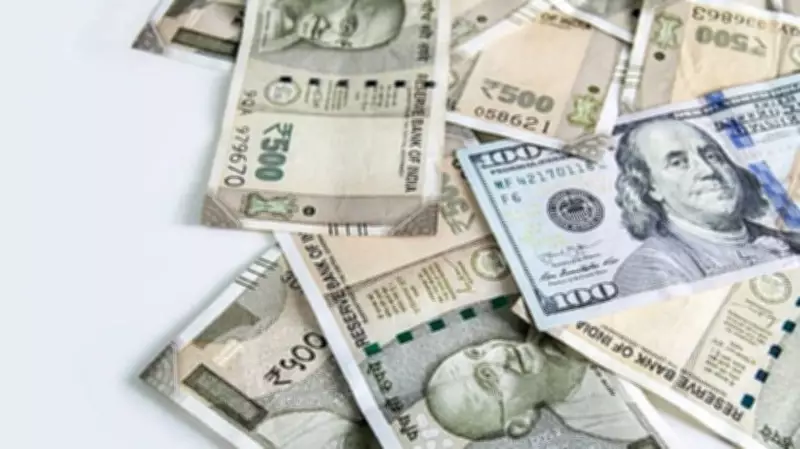
Indian Rupee Weakens Against US Dollar in Forex Trading
The Indian rupee experienced a decline in value against the US dollar during recent trading sessions, settling at a lower rate that reflects ongoing economic pressures. This movement highlights the dynamic nature of the foreign exchange market and its sensitivity to both domestic and international factors.
Key Details of the Rupee's Performance
In the latest forex market update, the rupee fell by 8 paise to close at 90.99 against the US dollar. This represents a notable shift from previous levels, indicating a period of volatility for the currency. The depreciation is attributed to a combination of global market trends, such as fluctuations in crude oil prices and geopolitical tensions, as well as domestic economic indicators like inflation rates and trade deficits.
Market analysts note that the rupee's performance is closely watched by investors and policymakers alike, as it impacts import costs, export competitiveness, and overall economic stability. The current rate of 90.99 suggests a cautious outlook among traders, who are monitoring developments in the US Federal Reserve's monetary policy and India's fiscal measures.

Factors Influencing the Currency Movement
Several key elements contributed to the rupee's decline:
- Global Economic Conditions: Strengthening of the US dollar in international markets due to positive economic data from the United States.
- Domestic Inflation: Rising inflation in India, which can erode currency value and affect investor confidence.
- Trade Imbalances: Persistent trade deficits that put pressure on the rupee by increasing demand for foreign currency.
- Oil Price Volatility: Fluctuations in crude oil prices, as India is a major importer, impacting the current account and currency stability.
These factors collectively create a challenging environment for the rupee, leading to its recent depreciation. Experts emphasize that while short-term fluctuations are common, long-term trends will depend on structural reforms and global economic recovery.
Implications for the Indian Economy
The rupee's fall to 90.99 against the dollar has broader implications for various sectors of the Indian economy. For instance, it may lead to higher costs for imported goods, potentially fueling inflation further. On the positive side, a weaker rupee could boost exports by making Indian products more competitive in international markets.
Financial institutions and businesses are advised to stay vigilant, as currency volatility can affect investment decisions and corporate earnings. The Reserve Bank of India (RBI) may intervene in the forex market to stabilize the rupee if necessary, using tools like foreign exchange reserves.
In conclusion, the rupee's 8-paise decline to 90.99 against the US dollar underscores the interconnectedness of global and domestic economic forces. Stakeholders should monitor ongoing developments to navigate the evolving financial landscape effectively.