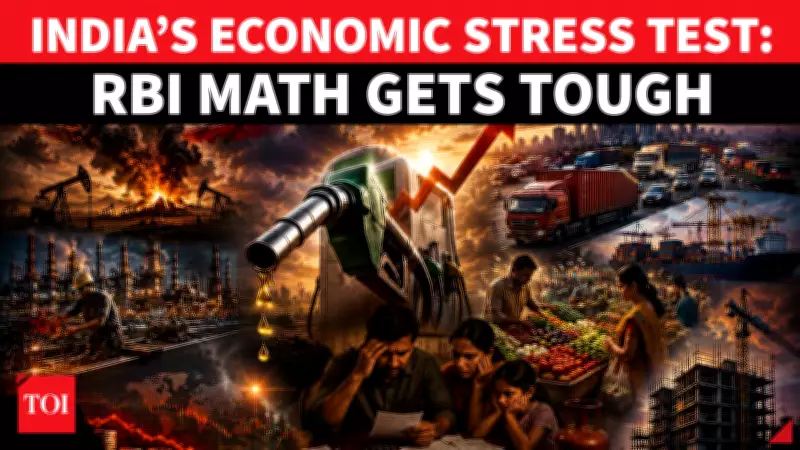
India is currently grappling with significant economic strain as the ongoing US-Iran conflict drives crude oil prices higher, weakens the rupee, and stokes inflation fears. This situation is creating challenges for the Reserve Bank of India (RBI), the government, and ordinary citizens alike.
Impact on Household Budgets and Food Inflation
The surge in petrol and diesel prices directly affects household budgets. Transportation costs rise, leading to higher prices for essential goods and services. Food inflation is particularly vulnerable, as agricultural produce and other perishables rely heavily on fuel for transport. This cascading effect means that consumers end up paying more for everyday items.
Transport Costs and Economic Ripple Effects
Higher fuel prices increase operational costs for logistics and public transport. Businesses pass these costs onto consumers, further fueling inflation. The transport sector, a backbone of the economy, faces margin pressures, which can slow down economic activity.

RBI's Dilemma: Controlling Inflation Without Hurting Growth
The RBI faces a tough balancing act. To curb inflation, it may need to raise interest rates, but that could dampen economic growth. With oil prices elevated, the central bank must carefully calibrate its monetary policy to avoid stalling recovery while keeping price pressures in check.
Balance of Payments Stress Test
Chief Economic Advisor V Anantha Nageswaran has described the current situation as a “live balance of payments stress test.” India imports a large portion of its oil, so higher crude prices widen the trade deficit and put pressure on the current account. This, in turn, weakens the rupee, making imports even costlier.
Risks to India's Economy
If oil prices remain elevated for an extended period, India could face serious risks. These include a sharper depreciation of the rupee, higher inflation, increased fiscal deficit due to subsidy burdens, and potential downgrades in sovereign credit ratings. The government may need to consider measures like reducing excise duties or providing targeted relief to vulnerable sectors.
In summary, the rising petrol and diesel prices are creating a complex web of challenges for the RBI, the government, and the public. Policymakers must act decisively to mitigate these pressures while safeguarding economic stability.