

Retail inflation in India is projected to average 5 percent in fiscal year 2026-27 (FY27), as pricing pressures intensify across food, energy, and core industries, according to a study by ICICI Bank Global Markets. The report indicates that the Monetary Policy Committee (MPC) may raise policy rates by 50-75 basis points, a factor already incorporated into higher second-half estimates.
Recent inflation trends
The Consumer Price Index (CPI) surged from 3.48 percent year-on-year (YoY) in April to a 16-month high of 3.94 percent YoY in May. Food inflation reached 4.8 percent, while energy prices rose rapidly to 1.9 percent from 0.4 percent in April. After five consecutive months of decline, inflation hit a 10-month high of 5.7 percent YoY, with vegetables leading the food spike.
Key drivers of food inflation
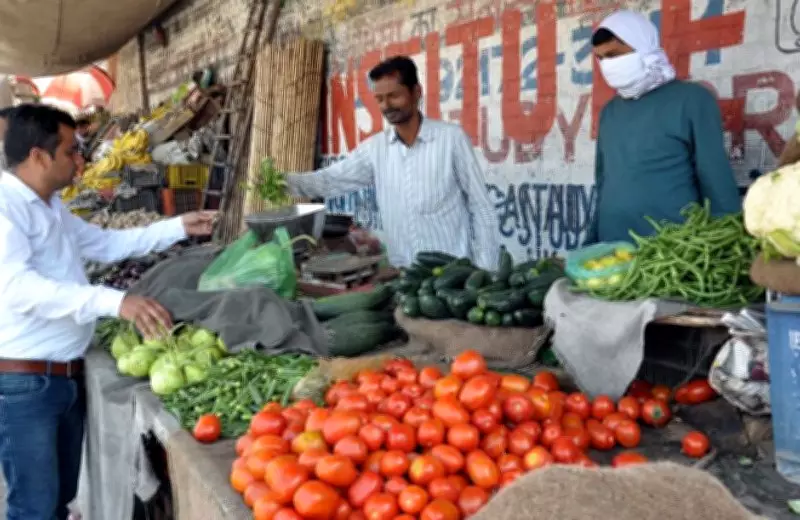
Sharp month-over-month increases in tomatoes (26 percent), cauliflower (12 percent), cabbage (11 percent), and potatoes (4.5 percent) were triggered by extreme heat. Fresh meat and oils and fats increased by 9.5 percent YoY, while fruits and nuts rose by 8.2 percent, fish and seafood by 7.5 percent, and spices and seeds by 6.8 percent.

Core inflation and other sectors
Restaurant services saw a 5.7 percent YoY increase, apparel and footwear rose by 3.0 percent YoY, and household goods and appliances increased by 1.9 percent YoY. Core inflation, excluding jewelry, climbed to 2.4 percent YoY from 2.2 percent.
Monsoon and geopolitical risks
The output of rain-fed crops such as pulses, oilseeds, coarse cereals, and spices is threatened by a below-normal monsoon, currently 10 percent below the long-period average. Meanwhile, the conflict in West Asia continues to drive up input costs for appliances and household goods. The recent decline in oil prices provides some respite, but unless geopolitical tensions significantly ease, the inflation outlook remains skewed upward.






