

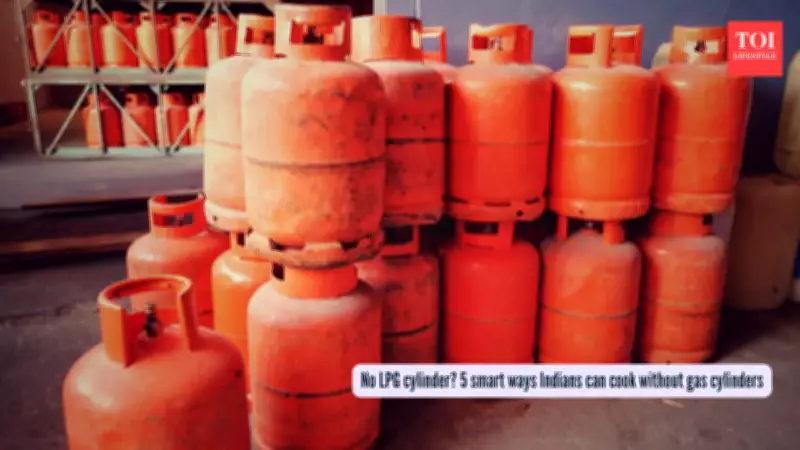
LPG Shortage Crisis Hits Indian Kitchens Amid Global Tensions
Few scenarios are as frustrating as an empty LPG cylinder right when dinner needs to be prepared. With rising prices and gas shortages impacting India due to geopolitical tensions, disrupted shipping routes for oil and gas have created a scramble for households, restaurants, and even hospitals. The situation has escalated, forcing many to seek reliable alternatives for daily cooking needs.
Why LPG Supply Concerns Are Intensifying Across India
Global conflicts, including tensions involving the US, Israel, and Iran, have severely disrupted the Strait of Hormuz. This critical chokepoint handles approximately 90% of India's LPG imports, leading to significant supply chain interruptions. Although domestic refineries have ramped up production by 30%, widespread panic buying and hoarding have further strained available supplies.
Households across the country are now experiencing longer delays for cylinder refills, while eateries in major cities like Mumbai and Bengaluru have been forced to shorten menus or temporarily shut down. In response, the government activated the LPG Control Order on March 8, prioritizing residential needs over commercial establishments such as hotels, according to an official PIB report.

5 Smart Cooking Alternatives to Navigate the LPG Shortage
To help sustain cooking during these unpredictable times, here are five practical alternative cooking options that Indian households can adopt.
Induction Cooktops: The Electric Marvel
These innovative appliances heat pots directly through magnetic induction, eliminating the need for gas or open flames. Induction cooktops are notably faster than traditional gas stoves and come equipped with safety features like auto-shutoff and preset cooking modes for dishes such as dal or rotis. They are safe for use by children and boast impressive energy efficiency of 80–90%. Operating costs range from Rs 2 to Rs 5 per meal, compared to LPG's Rs 3 to Rs 7, making them an ideal urban backup solution—provided there is stable electricity supply.
Electric Pressure Cookers: Versatile and Efficient
This multifunctional gadget combines the benefits of a pressure cooker with electric convenience, capable of cooking rice, steaming vegetables, and slow-simmering curries. Popular brands can reduce cooking time by up to 70% and require minimal supervision. By saving LPG and reducing kitchen clutter through multi-use functionality, electric pressure cookers are particularly suitable for homes facing extended refill delays of up to 25 days.
Solar Cookers: Harnessing Free Energy
Solar cookers offer a sustainable solution by utilizing free fuel from the sun. Available in box or panel designs, they can simmer dal and bake bread on clear, sunny days. While the initial investment ranges from Rs 1,500 to Rs 5,000, there are zero running costs thereafter. This makes solar cookers excellent for rural India, which enjoys abundant sunny days annually. Paired with appropriate utensils, they can efficiently serve 4–6 people, providing an eco-friendly advantage during fuel shortages.
Biogas Systems: Converting Waste into Fuel
Home biogas systems transform kitchen scraps and cow dung into free cooking gas through digesters, with costs typically between Rs 20,000 and Rs 50,000. These systems ensure a steady fuel supply for stoves while significantly reducing household waste. They are especially practical for farms, and government subsidies are often available to help offset installation expenses. As a reliable, long-term solution, biogas systems prove invaluable during crises like the current LPG shortage.
Air Fryers and Microwave Ovens: Quick and Healthy Options
Air fryers and microwave ovens deliver rapid frying, reheating, and baking without relying on oil or gas. Air fryers replicate deep-frying with up to 80% less fat, while microwaves can heat leftovers in just two minutes. These appliances handle snacks and side dishes perfectly, allowing families to conserve LPG for main courses. With starting prices around Rs 3,000, they offer an affordable and healthy boost for households impacted by fuel shortages.






