

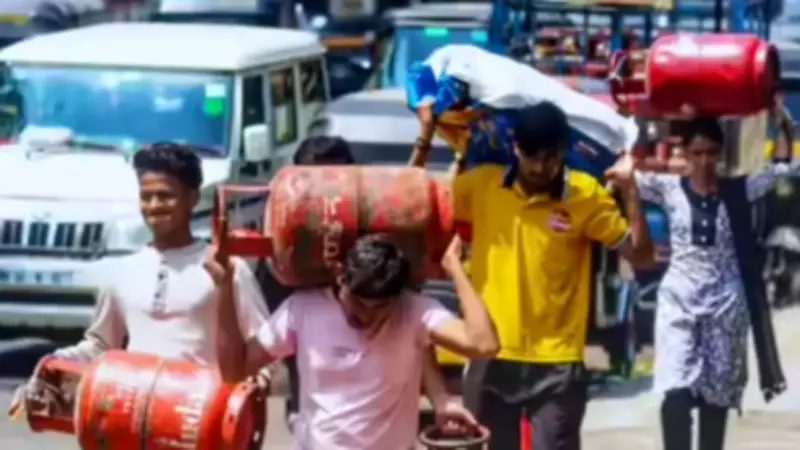
India's LPG Crisis Intensifies with Price Hikes and Supply Disruptions
A severe LPG crisis is gripping multiple Indian cities, driven by a sharp increase in commercial cylinder prices, logistical bottlenecks, and supply-demand imbalances. The situation has escalated economic pressures on businesses and transport operators, while causing widespread inconvenience for households.
Commercial LPG Prices Surge from April 1
From today, the cost of a 19 kg commercial LPG cylinder has risen significantly across India. In Delhi, the price has increased by Rs 195.50, while in Kolkata, it is up by Rs 218. This hike compounds existing challenges, as supply constraints make fuel access both expensive and uncertain.
Auto-Rickshaw Drivers Face Acute Shortages
In urban centers like Bengaluru, auto-rickshaw drivers who rely heavily on auto LPG for daily operations are particularly affected. They report long queues at fuel stations, intermittent stock availability, and inconsistent pricing. Many outlets display "no stock" notices, forcing drivers to spend hours securing fuel. These delays directly impact their daily income and reduce service availability for commuters. Police have been deployed at several locations to manage congestion caused by queues spilling onto roads.

Telangana Grapples with Supply Deficit
Telangana is also struggling with a supply deficit, where a daily shortfall of approximately 55 metric tonnes of auto LPG has disrupted services for nearly one lakh LPG-run autorickshaws. The state's civil supplies minister, N Uttam Kumar Reddy, has urged Union petroleum and natural gas minister Hardeep Singh Puri to ramp up supply urgently. He highlighted that private LPG distributors' dependence on public sector companies has exposed vulnerabilities in the supply chain, with any disruption quickly cascading into retail shortages.
Domestic Consumers Report Delivery Irregularities
The crisis extends beyond commercial usage to domestic consumers. Many households are reporting irregularities in cylinder deliveries, including cases of "ghost deliveries" where cylinders are falsely marked as completed. This prevents timely rebooking, leaving families without essential cooking fuel for extended periods. Complaints have surged across regions, aggravating the situation for those already dealing with limited supply.
Public Protests Erupt Over Supply Delays
Growing dissatisfaction has led to public protests, such as a blockade in Patna's Phulwarisharif area. Residents staged a protest after being denied LPG cylinders due to delayed supply, blocking traffic on National Highway-139 for nearly two hours. Protesters alleged frequent delivery delays, lack of clarity from agency officials, and routine mismanagement, with some accusing staff of diverting cylinders to the black market. Police intervened to control the situation, but protesters refused to disperse without assurances.
Broader Impact on Economy and Daily Life
The LPG crisis is having far-reaching consequences:
- Economic Strain: Rising fuel costs and supply gaps are affecting livelihoods, especially for transport operators and small businesses.
- Social Disruption: Protests and traffic blockades highlight public frustration and impact mobility.
- Logistical Challenges: Seizures of misused cylinders, such as 12 empty LPG cylinders seized in Berhampur from sweet and paneer-making units, indicate distribution issues.
Together, these factors have created a widespread crisis with significant economic and social repercussions, underscoring the need for urgent intervention to stabilize supply and address pricing concerns.






