

Global Energy Crisis Reaches Delhi's 'Momo Capital'
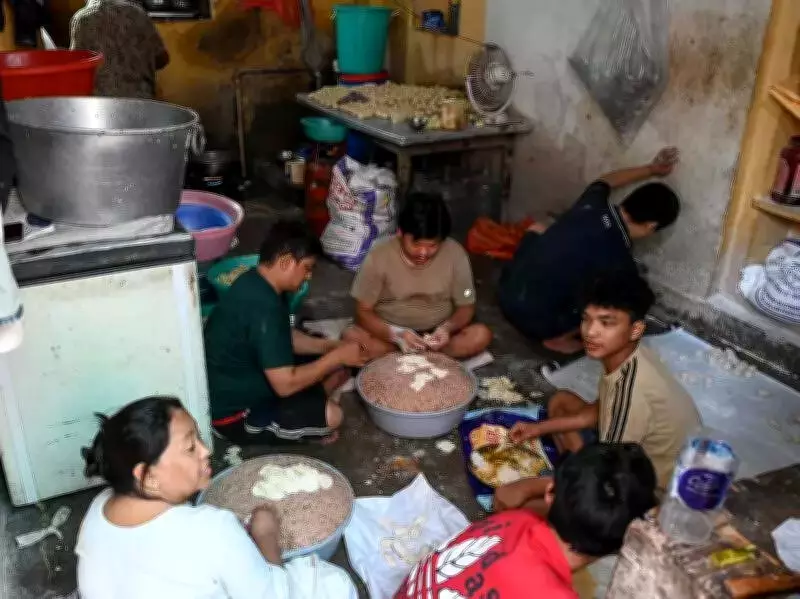
In the narrow lanes of Chirag Delli, a neighborhood often called Delhi's unofficial "momo capital," the rhythmic sounds of steel steamers and chopping boards tell a story of culinary tradition now under threat. Inside Chen Fast Food, a modest one-room kitchen-shop, Khemraj meticulously chops chicken while Nishan Thapa expertly rolls dough, cuts perfect circles, and folds delicate momos with practiced precision. This scene has played out for years, as migrant families from Darjeeling and Nepal dedicate their days to crafting thousands of dumplings that later travel across the city to stalls in South Extension, Jangpura, Hauz Khas, Vasant Kunj, Kalkaji, and Govindpuri.
The Invisible Link Between Geopolitics and Gas Cylinders
These days, however, the conversation in these cramped kitchens has shifted from recipes to a more pressing concern: the soaring cost of liquefied petroleum gas (LPG). Like countless small food businesses throughout Delhi, these momo makers depend entirely on LPG cylinders to cook, steam, and prepare their signature dishes. What might seem like distant geopolitical conflicts—particularly tensions in the Middle East affecting global energy markets—has translated directly into financial strain for workers in India's informal economy. The ripple effects of international crises now manifest in the price tags of essential cooking fuel.
Khemraj, who moved from Darjeeling years ago and operated a momo shop in Savitri Nagar for approximately 16 years, noticed the change almost immediately. Nishan, who joined him about six years back, confirms the impact. Previously, they managed to save around Rs 10,000 monthly after covering rent, ingredients, and gas expenses. When asked about current savings, both respond with soft, resigned laughter. "Ab kya? Ab kuch nahi," Nishan explains. "LPG is very expensive. We increased the price by Rs 10, but that is not helping."

The Soaring Costs and Vanishing Profits
Arranging cylinders through local neighborhood contacts, the partners recently paid nearly Rs 4,500 for a single 14 kg cylinder in the open market, with some sellers quoting around Rs 350 per kilogram. "We use five or six cylinders in a month," Nishan reveals. "If gas costs this much, how will we save?" Their predicament illustrates how global market fluctuations can erase the thin profit margins sustaining micro-enterprises.
A few lanes away, Vimla and her brother's family gather around a large metal bowl, mixing chicken, cabbage, and spices. Four families from Nepal share this daily routine, beginning each morning with a trip to the nearby vegetable market. By afternoon, they typically prepare 400 to 600 momos based on orders, transporting them to markets like Greater Kailash for evening sales. A lone gas cylinder stands in the corner of their room—a dwindling resource. "We knew there was a shortage coming," Vimla says. "Since we are all relatives, we brought some cylinders from home. This is the last one." Attempts to book another cylinder revealed a potential wait of up to 25 days, prompting her to quietly admit, "If we don't get gas, we will close the business for some time."
Adapting to Survive: From Momos to Chowmein
Nearby, Ramu—who began selling momos in 2002—has already implemented a survival strategy. His steamers sit idle, replaced by a wok sizzling over a small flame as he tosses noodles in quick circles. "To save gas, I stopped making momos," he explains. "Now, only chowmein." This menu shift highlights the creative, yet desperate, adaptations forced upon small entrepreneurs when essential costs become prohibitive.
By evening, customers across Delhi continue lining up at momo stalls, largely unaware of the intricate supply chain and economic pressures behind each dumpling. Yet inside these humble kitchens, every tray of momos now involves a silent calculation: how long the remaining gas will last, and how many more days the steamers can continue operating. The global energy market's volatility has become a local reality, threatening not just profits but the very survival of culinary traditions that have flavored Delhi's streets for decades.






