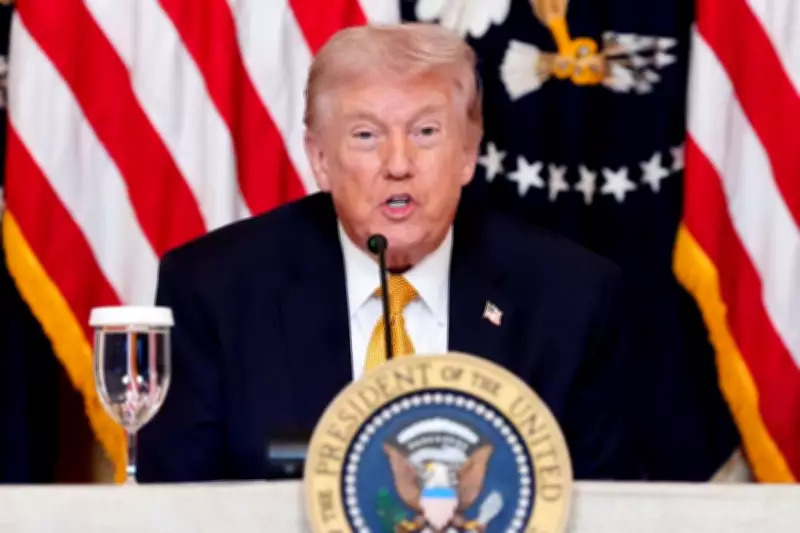
Trump Urges Global Cooperation to Reopen Strait of Hormuz Amid Iran's Escalating Blockade
In a significant development amid the ongoing Iran-Israel conflict, former US President Donald Trump has publicly called for international assistance to reopen the Strait of Hormuz, a vital maritime chokepoint that Iran has effectively blockaded. This move comes as tensions in the Middle East continue to escalate, with Iran tightening its stranglehold on global shipping routes in response to hostilities with Israel.
Iran's Strategic Blockade of a Critical Shipping Lane
The Strait of Hormuz is one of the world's most crucial waterways, through which approximately one-fifth of the global oil supply transits. Iran's recent actions to restrict or block shipping through this strait have raised alarm bells internationally, threatening to disrupt energy markets and global trade. Reports indicate that Iran has deployed naval assets and imposed restrictions, citing security concerns linked to the conflict with Israel, but many analysts view this as a strategic move to exert pressure on adversaries and gain leverage in regional disputes.
Trump's Call for International Intervention
Donald Trump, in a statement released on March 17, 2026, emphasized the urgency of the situation, urging nations worldwide to collaborate in reopening the strait. "We cannot allow Iran to hold global shipping hostage," Trump stated, highlighting the economic implications of the blockade. He proposed a coordinated effort involving naval forces from allied countries to ensure safe passage, reminiscent of past international operations in the region. This appeal underscores the broader geopolitical stakes, as the blockade not only impacts oil prices but also risks escalating into a wider conflict if left unaddressed.

Implications for Global Economy and Regional Stability
The blockade of the Strait of Hormuz has immediate and far-reaching consequences:
- Economic Impact: Disruptions in oil shipments could lead to spikes in energy prices, affecting economies globally, particularly those dependent on imports from the Middle East.
- Security Concerns: Increased military presence in the area raises the risk of accidental clashes or further escalation between Iran and other powers, including Israel and its allies.
- Diplomatic Ramifications: Trump's call for help puts pressure on international bodies and nations to respond, testing diplomatic relations and cooperation in crisis management.
Experts warn that if the blockade persists, it could trigger a humanitarian crisis by limiting the flow of essential goods, beyond just oil, to regions reliant on maritime trade through the strait.
Background of the Iran-Israel Conflict
The current tensions stem from a series of confrontations between Iran and Israel, which have been simmering for years but have intensified recently. Both nations have engaged in proxy wars and direct skirmishes, with the Strait of Hormuz becoming a focal point due to its strategic importance. Iran's actions are seen as a response to Israeli military operations, but the blockade represents a significant escalation that draws global attention to the volatile situation.
As of now, international reactions to Trump's appeal are mixed, with some countries expressing support for a multilateral approach, while others caution against actions that could further inflame the region. The situation remains fluid, with ongoing developments likely to shape the future of Middle Eastern geopolitics and global trade dynamics.