Kolkata Faces Steep Meat Price Hike as Holi Demand Overwhelms Supply
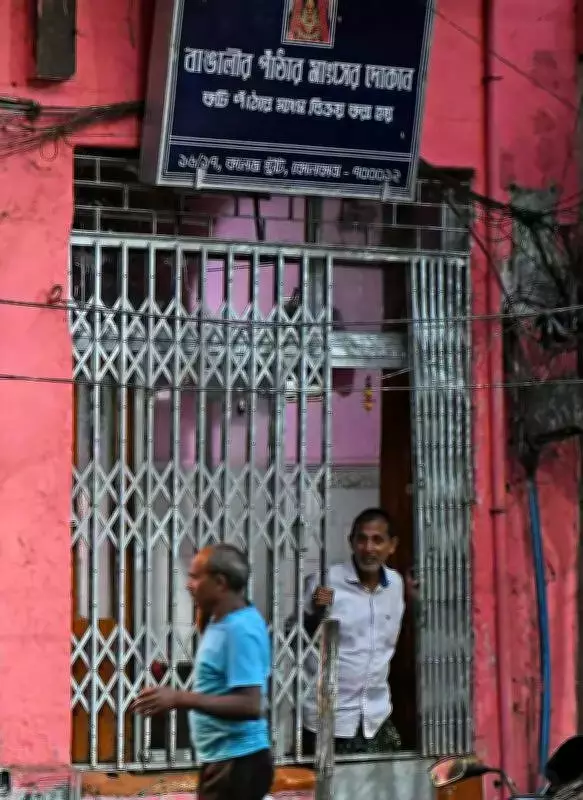
The city of Kolkata experienced a significant and sudden increase in meat prices on Wednesday, creating long queues and widespread concern among residents. With the Holi festival traditionally featuring elaborate non-vegetarian feasts, many Kolkatans lined up early at local chicken and mutton shops to secure their supplies for the celebrations.
Prices Reach Record Highs Amid Festival Rush
The price of mutton climbed steeply across several markets, touching nearly Rs 1,000 per kilogram in many areas. While not all locations saw prices hit this exact mark, mutton commonly sold for between Rs 900 and Rs 950 per kg in various neighborhoods. Dressed chicken, which had been available for Rs 180 to Rs 190 per kg earlier in the week, jumped dramatically to approximately Rs 300 per kg on Wednesday.
By late afternoon, numerous shops had to close their shutters after completely selling out of their available stock. The overwhelming demand simply outpaced the limited supply, creating a challenging situation for both consumers and retailers.

Lunar Eclipse Creates Perfect Storm for Price Surge
The timing of Tuesday's Dol Utsav coinciding with a lunar eclipse played a crucial role in this year's exceptional price increase. Many households traditionally avoid cooking or consuming non-vegetarian food during such astronomical events, causing them to postpone their meat purchases. This pent-up demand then surfaced strongly on Wednesday, creating an unprecedented surge in market activity.
For countless Kolkatans, preparing traditional dishes like 'mangsho-bhaat' (rice with mutton curry) during the Holi period remains an important annual ritual. Across the city, residents were observed waiting patiently outside neighborhood meat outlets, determined to purchase ingredients for their festive meals despite the challenging circumstances.
Shopkeepers and Consumers React to Market Conditions
Local shopkeepers explained that the price surge was inevitable given the sudden spike in demand combined with limited supplies. "We are seeing far more customers than usual this week," said Rafiq Ahmed, who operates a meat shop in Phoolbagan. "With supplies constrained, prices have naturally increased to reflect the market reality."
Many buyers expressed surprise at the sharpness of the price jump. "We anticipated some increase because of the festival season," noted Anirban Chatterjee, who waited outside a shop in the Lake Gardens area. "However, this price level is significantly higher than what we normally experience during Holi celebrations."
Restaurants and Caterers Feel Financial Pressure
The price increase created particular challenges for restaurant owners and home-based caterers who had already established their festive menu pricing. "We fixed our Holi menu prices earlier, assuming the usual seasonal rise in meat costs," explained catering entrepreneur Madhumita Das. "With mutton now reaching Rs 1,000 per kilogram, our profit margins have shrunk considerably, creating unexpected financial pressure."
Strategic Buying and Alternative Options Emerge
Some forward-thinking residents anticipated the potential price surge and purchased their meat earlier in the week. "I bought mine on Monday morning for about Rs 840 per kilogram," shared Subhajit Roy from Chetla, demonstrating strategic planning that helped avoid the peak pricing.
In various areas, queues reportedly stretched late into the afternoon as people patiently waited for their turn at the limited meat counters. Some consumers opted for alternative protein sources like duck or country chicken, while another segment turned to online meat delivery platforms in search of better availability or pricing.
Historical Context and Cultural Significance
While demand for mutton typically rises during Holi celebrations in Bengal, traders note that the increase is usually more modest. This year's sharp spike reflected the combined effect of traditional festival demand and the deferring of non-vegetarian consumption due to the lunar eclipse. "There were additional supply constraints this year, largely originating from Bihar," explained Gurfan Sheikh, a goat-trader familiar with regional market dynamics.

In many parts of Bengal, the day following Holi is traditionally associated with festive meals that often include meat dishes. Cultural historian Rathin Ghosh noted that such practices have evolved over centuries, becoming embedded in regional traditions. "For numerous families, the post-Holi meal represents less about ritual observance and more about sharing a special feast with relatives and friends," added art-collector Arunima Seth, a resident of Bhawanipore.
The situation highlighted how cultural traditions, astronomical events, and market dynamics can intersect to create significant economic impacts at the local level, affecting both consumers and businesses throughout Kolkata during important festival periods.