

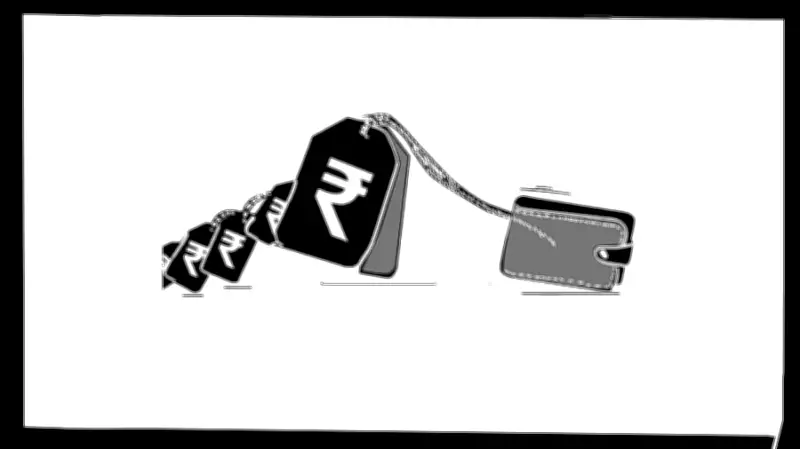
India Grapples with a Double Oil Shock and Mounting Inflation Concerns
India is currently navigating a complex economic scenario marked by a double oil shock, stemming from both global price fluctuations and supply chain disruptions. This situation is exerting significant upward pressure on inflation, creating challenges for policymakers and consumers alike. The interplay of these factors is reshaping the economic landscape, with implications for growth, stability, and public welfare.
Understanding the Dual Nature of the Oil Shock
The first component of this shock involves volatile global oil prices, driven by geopolitical tensions, production cuts by major exporters, and fluctuating demand patterns. Concurrently, the second aspect relates to supply-side constraints, including logistical bottlenecks and regional conflicts that hinder the smooth flow of crude oil and refined products. Together, these elements create a compounded effect, amplifying the economic strain on import-dependent nations like India.
Inflationary Impacts Across Sectors
The ripple effects of the oil shock are manifesting in various sectors, most notably through increased fuel prices, which directly affect transportation and manufacturing costs. This, in turn, contributes to higher prices for essential goods such as food and utilities, squeezing household budgets. Core inflation indicators have shown an upward trend, prompting concerns about sustained price pressures that could undermine economic recovery efforts.

Policy Responses and Strategic Measures
In response, Indian authorities are exploring a multi-pronged approach to mitigate the impacts. Key strategies include:
- Diversifying energy sources to reduce reliance on imported oil.
- Implementing fiscal measures such as subsidies or tax adjustments to cushion consumers.
- Enhancing strategic reserves to buffer against supply shocks.
- Promoting renewable energy initiatives to foster long-term sustainability.
These efforts aim to stabilize prices while supporting broader economic objectives, though challenges remain in balancing immediate relief with fiscal prudence.
Long-Term Economic Implications
Looking ahead, the persistence of oil-related shocks could influence India's growth trajectory, affecting investment climates and trade balances. Experts emphasize the need for structural reforms and resilient policy frameworks to navigate such volatilities. By addressing both short-term inflationary pains and long-term energy security, India can better position itself to withstand future economic disruptions and foster sustainable development.






