

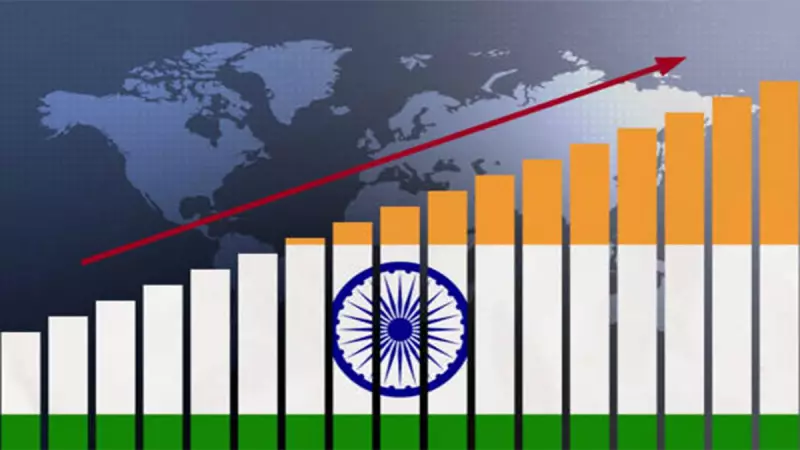
In a significant milestone for its economic trajectory, India has officially overtaken Japan to become the world's fourth-largest economy. This development, confirmed by government data, marks a pivotal shift in the global economic order and sets the stage for even greater ascension in the coming decade.
A Historic Economic Leap Forward
The latest figures released by the government indicate that India's Gross Domestic Product (GDP) has now exceeded that of Japan. This achievement is the result of sustained economic momentum and strategic policy implementation over recent years. The data, which reflects the economic performance for the relevant period, was made public on December 30, 2025, solidifying India's new position in the global rankings.
This leapfrogging of Japan is not seen as a fleeting moment but as a consolidation of India's growing economic heft. Analysts point to a combination of robust domestic demand, a youthful demographic profile, and continued structural reforms as the core drivers behind this consistent expansion. The government has actively fostered an environment conducive to growth through various initiatives aimed at boosting manufacturing, digital infrastructure, and export competitiveness.

The Roadmap to Becoming the Third-Largest Economy
Perhaps even more compelling than the current achievement is the official projection for the future. The government's assessment confidently states that India is on track to surpass Germany and claim the position of the world's third-largest economy by the year 2030. This target underscores a long-term vision for India's economic destiny.
Reaching this next milestone will depend on maintaining a high growth trajectory relative to other major economies. Key sectors such as technology, renewable energy, and advanced manufacturing are expected to be primary growth engines. Furthermore, continued integration into global supply chains and sustained capital investment will be critical factors in realizing this ambitious goal within the stated timeframe.
Implications for Global Trade and India's Stature
Moving into the fourth position, and potentially the third, carries substantial implications. Economically, it translates into greater influence in international financial institutions and trade negotiations. India's voice on global issues, from climate finance to digital governance, is likely to be amplified commensurate with its economic weight.
For citizens, this macroeconomic shift is linked to the potential for improved living standards, though experts caution that equitable distribution of growth remains a priority. A larger economy can support more significant investments in healthcare, education, and infrastructure, ultimately contributing to national development goals. The world's economic center of gravity continues to shift, and India's rise is a central narrative in that ongoing transformation.
In conclusion, surpassing Japan is a landmark event that validates India's economic progress. With the official target now set on overtaking Germany by 2030, the nation has clearly charted its course toward becoming one of the top three global economic powers within this decade.






