

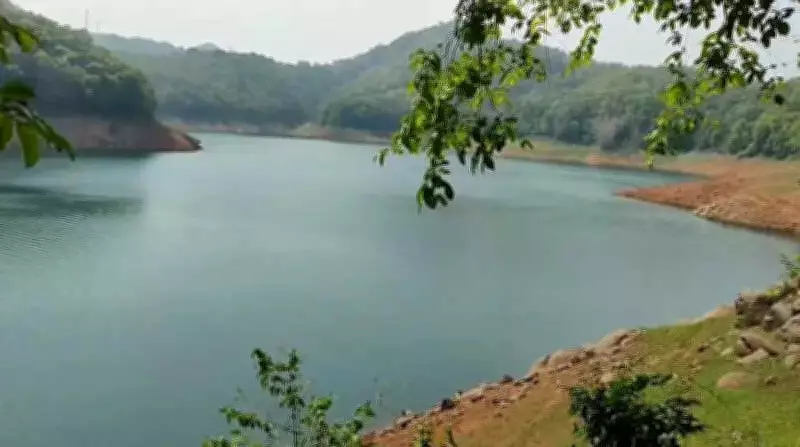
Idukki Dam Water Levels Plunge Amid Intense Summer Heat, Raising Power Sector Alarms
As the summer season intensifies across Kerala, the water level in the critical Idukki dam has experienced a steep and concerning decline, sparking significant worries for the state's power sector. The reservoir's water level was recorded at 2,338.64 feet on Friday, marking a substantial drop of 8.92 feet compared to the 2,347.56 feet measured on the same day last year.
Storage Capacity and Environmental Factors Worsen Situation
Currently, the Idukki reservoir holds only 36.93% of its total storage capacity, a sharp decrease from the 44.04% capacity observed during the corresponding period in the previous year. This alarming reduction is primarily attributed to a significant drop in summer rainfall combined with soaring temperatures throughout the Idukki district, which have exacerbated the water scarcity.
Inflow through various diversion projects has begun to decline steadily, while the higher ambient temperatures are accelerating evaporation losses from the reservoir surface. These environmental challenges are creating a perfect storm for water management authorities.

Power Generation Ramps Up Amid Water Concerns
Despite the dwindling water resources, power generation at the Idukki facility has been ramped up sharply, recently crossing the threshold of 10 million units per day. This increased output comes as the Kerala State Electricity Board (KSEB) grapples with balancing energy demands against diminishing water reserves.
A crucial power position review meeting was convened on Friday by KSEB chairman and managing director Minhaj Alam to thoroughly assess the developing situation. The meeting was attended by board directors and chief engineers, highlighting the seriousness with which authorities are treating the water level crisis.
State's Power Capacity and Assurance from Officials
The state of Kerala can internally generate only up to 1,800 megawatts of power, with the remaining electricity requirements needing to be sourced from external suppliers. KSEB executive engineer V Unnikrishnan addressed public concerns, stating that currently there is no power shortage in the state and that citizens need not be alarmed.
"Necessary arrangements, including swap arrangements, have been made to meet the power demand. Domestic power generation is being regulated to manage the situation effectively," Unnikrishnan emphasized.
He further explained that power consumption in Kerala typically peaks between 10:30 PM and 11:00 PM each evening, and sufficient power remains available to handle demand during this critical period as well.
Idamalayar Dam Also Faces Water Level Crisis
Meanwhile, the water level at the Idamalayar dam in Ernakulam district has dipped below the halfway mark, presenting additional challenges for the region's water and power infrastructure. As of Friday, the reservoir's water level was recorded at 141.06 meters, representing just 32.39% of its total storage capacity.
This measurement is nearly 2 meters lower than the levels documented during the same period last year, according to dam safety authorities. They attributed this rapid depletion to the same combination of soaring temperatures and insufficient rainfall in the catchment areas, which has resulted in weak inflow to the reservoir.
Authorities Maintain Calm Despite Significant Dips
Load dispatch authority officials have stated that while the water level dip is indeed significant, the current storage at Idamalayar remains sufficient to maintain steady power production through the end of May. "There is no need for panic. We have enough water in storage to bridge the gap until the monsoon is expected to arrive in early June," an official reassured.
The situation underscores the broader challenges facing Kerala's hydroelectric power infrastructure during periods of extreme summer heat and reduced precipitation. While authorities maintain that immediate power shortages are not imminent, the declining water levels serve as a stark reminder of the state's vulnerability to climatic variations and the importance of sustainable water management practices.






