

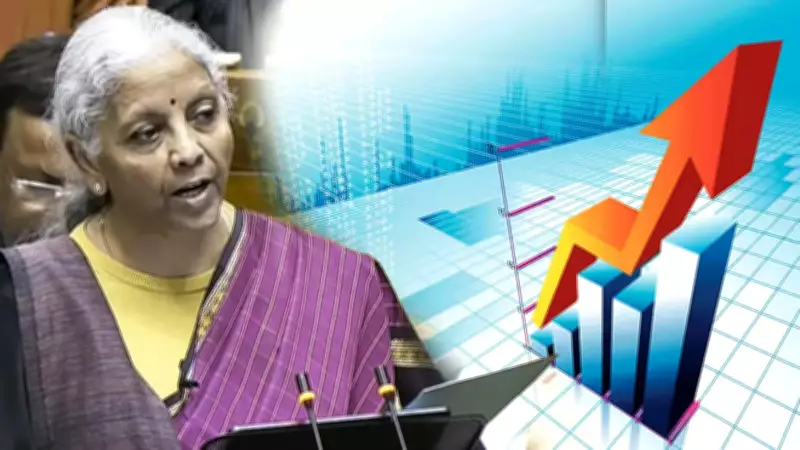
Budget 2026 Unveils Infrastructure-First Strategy With Major Capex Increase
In a decisive move to bolster India's economic resilience amid global uncertainty and supply chain disruptions, Finance Minister Nirmala Sitharaman has presented Budget 2026 with a strong emphasis on public investment as the cornerstone of growth. The budget signals a clear infrastructure-first approach, raising capital expenditure to an impressive ₹12.2 lakh crore for the fiscal year 2026-27 (FY27).
Continuity in Infrastructure-Led Growth
This substantial allocation underscores the government's commitment to continuing its infrastructure-led economic strategy. Over the past five years, public investment in infrastructure has seen a sharp and consistent rise, effectively crowding in private capital and helping sustain India's growth momentum even during challenging times.
Key Focus Areas and New Initiatives
The budget outlines several critical priorities and introduces innovative schemes to strengthen the nation's foundational assets:

- Development of Tier-2 and Tier-3 Cities: A significant portion of the capex is earmarked for accelerating infrastructure development in smaller urban centers, promoting balanced regional growth.
- Risk Guarantee Fund for Infrastructure: A new fund is being established to mitigate risks associated with large-scale infrastructure projects, encouraging greater participation from investors.
- Construction Equipment Scheme: To boost domestic manufacturing and self-reliance, a dedicated scheme for the construction equipment sector has been announced, supporting local production and job creation.
Strategic Sectors in Focus
Budget 2026 places particular emphasis on long-term asset creation in several high-impact sectors, moving away from short-term stimulus measures. The key areas receiving focused attention include:
- Railways: Modernization and expansion of rail networks to enhance connectivity and logistics efficiency.
- Renewable Energy: Investments in green energy projects to support India's climate goals and energy security.
- Defence: Strengthening indigenous defence manufacturing and infrastructure.
- Urban Transport: Development of metro systems, buses, and other public transport solutions in growing cities.
A Strategic Choice for Long-Term Growth
This aggressive capital expenditure push reflects a deliberate and strategic choice by the government. The objective is clear: to build national capacity, enhance India's global competitiveness, and ensure the growth engine remains robust despite potential global headwinds. By prioritizing infrastructure, Budget 2026 aims to create durable assets that will yield economic benefits for decades to come, fostering a more resilient and self-sufficient economy.






