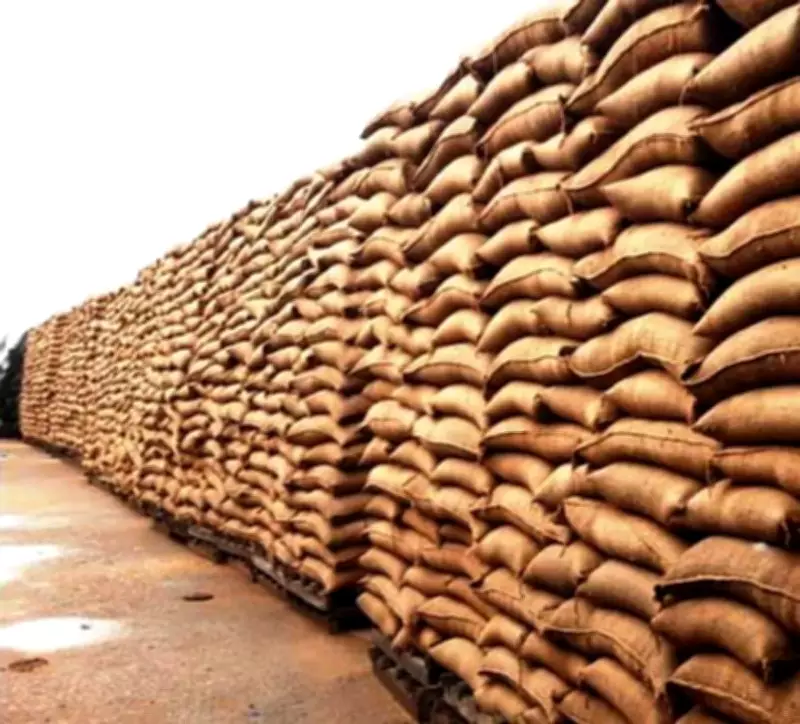
The Haryana government has announced plans to establish a 100-acre silo facility between Shahabad and Ambala, aimed at enhancing grain storage capacity and minimizing post-harvest losses. The project, which is part of the state's broader agricultural infrastructure development, will be developed in collaboration with the Food Corporation of India (FCI) and other stakeholders.
Project Overview
The proposed silo facility will have a storage capacity of approximately 2.5 lakh metric tonnes, making it one of the largest in the region. It will be equipped with modern technology for temperature control, aeration, and pest management to ensure the quality of stored grains. The facility is expected to benefit farmers in the surrounding areas by providing better market access and reducing dependence on traditional storage methods.
Key Features
- Location: The facility will be situated along the Ambala-Shahabad road, ensuring easy connectivity for transportation.
- Capacity: With a storage capacity of 2.5 lakh metric tonnes, it will significantly reduce the burden on existing warehouses.
- Technology: State-of-the-art silos will be used to maintain grain quality and reduce spoilage.
- Employment: The project is expected to create both direct and indirect employment opportunities for local residents.
Benefits for Farmers
The silo facility will enable farmers to store their produce safely and sell it at favorable prices, avoiding distress sales. It will also help in stabilizing grain prices in the market and ensuring food security. The government has assured that the procurement process will be streamlined, with farmers receiving timely payments.

Environmental Impact
The use of modern silos will reduce post-harvest losses, which currently account for a significant percentage of total production. This will contribute to sustainable agriculture and reduce the carbon footprint associated with grain storage. The facility will also incorporate rainwater harvesting and solar power generation to minimize its environmental impact.
The project is expected to be completed within the next two years, with construction likely to begin after the monsoon season. The Haryana government has allocated funds for the project in the state budget, and the FCI will provide technical support. This initiative is part of the state's efforts to modernize its agricultural infrastructure and improve the livelihoods of farmers.