

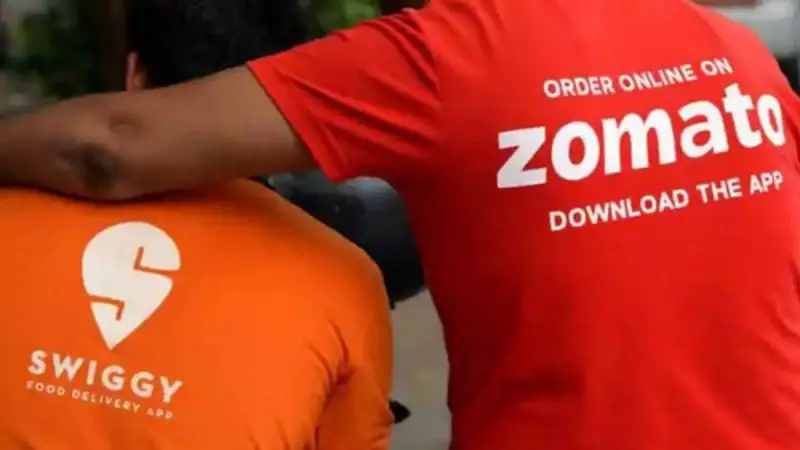
In a pre-emptive move to avert a potential disruption on one of the busiest nights of the year, India's leading food delivery platforms, Zomato and Swiggy, have announced increased payouts for their gig workers. This decision comes directly in response to a strike call issued by delivery partner unions for New Year's Eve, December 31, 2024.
Strike Averted with Enhanced Incentives
The unions, representing thousands of delivery executives across the country, had planned a work stoppage to protest against what they termed as low and inconsistent earnings, alongside demanding better working conditions. Recognizing the critical importance of New Year's Eve for the food delivery industry, both companies acted swiftly to address these concerns.
Zomato confirmed that it is offering special incentives and increased payouts to its delivery partners who are active during the evening of December 31st. A company spokesperson emphasized their commitment to ensuring partners are adequately compensated for working during peak demand periods.

Similarly, Swiggy rolled out a heightened incentive structure for its delivery fleet. The company stated that the increased payouts are designed to reward partners for their service during the high-volume New Year celebrations, aiming to ensure a reliable delivery experience for customers.
The Core Demands of Delivery Unions
The threatened strike was not an isolated incident but a culmination of ongoing grievances. The unions' primary demands, which prompted the strike call, included:
- A substantial and transparent increase in the base pay per delivery.
- More consistent and clearly communicated incentive schemes.
- Improved safety measures and support systems for workers navigating late-night and high-traffic scenarios.
- Formal mechanisms for addressing complaints and grievances.
While the enhanced New Year's Eve payouts directly address the immediate issue of compensation for the peak night, the broader structural demands around base pay and working conditions remain a topic of ongoing discussion between the platforms and worker collectives.
Implications for the Gig Economy Model
This event highlights the increasing collective voice of gig workers in India's digital economy. The ability of unions to organize and threaten action on a strategically crucial day forced the hands of two major tech companies.
The last-minute resolution underscores the fragile balance within the platform-based gig economy. Companies rely on a flexible, on-demand workforce, but that workforce is now demanding greater stability and fairer remuneration. The New Year's Eve incident serves as a clear indicator that sustainable gig economy models must evolve to incorporate more predictable earnings and better worker welfare.
For customers, the companies' proactive measures likely ensured that their New Year's celebrations were not spoiled by a lack of food delivery options. However, the episode brings to the forefront the human effort behind every app-based order and the ongoing negotiations that determine their livelihoods.
As the food delivery market continues to grow, the relationship between these platforms and their massive network of delivery partners will remain a critical area to watch, with potential implications for labor policies and the future of work in India's tech sector.






