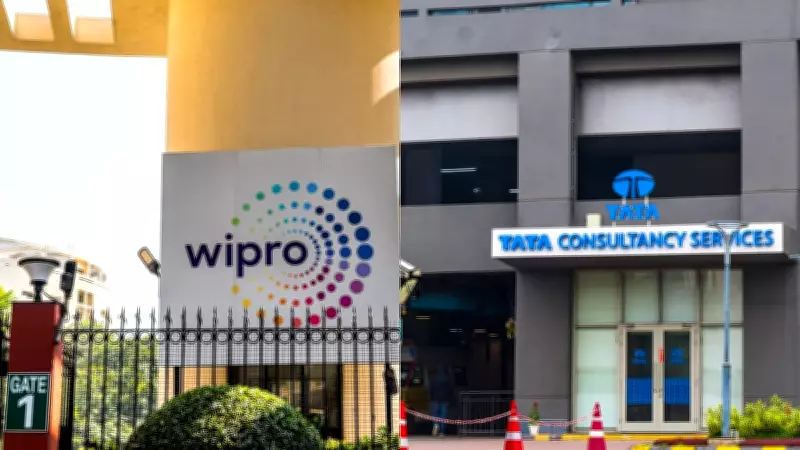
Wipro Responds to TCS Nashik Incident with Policy Review Commitment
In the wake of the recent TCS Nashik incident, Wipro has publicly stated that it reviews its policies and their execution on a regular basis. This announcement comes as a direct response to the event, highlighting the company's proactive approach to maintaining a safe and compliant work environment. The incident, which has drawn significant attention, involves allegations of sexual harassment and religious conversion, underscoring the critical need for robust corporate governance and employee protection measures.
HR Experts Advocate for Enhanced Escalation Pathways
Reacting to the Nashik incident, HR experts have emphasized the importance of strengthening escalation pathways within organizations. They argue that clear and accessible reporting mechanisms are essential for employees to voice concerns without fear of retaliation. Uma Kannan, a noted HR professional, commented on the situation, stating that companies must prioritize the implementation of effective grievance redressal systems. This includes regular training sessions, awareness campaigns, and transparent communication channels to ensure that all employees feel supported and heard.
The experts further pointed out that incidents like the one in Nashik serve as a stark reminder of the vulnerabilities in current workplace structures. They recommend that businesses not only adhere to legal frameworks such as the Prevention of Sexual Harassment (PoSH) Act but also go beyond compliance to foster a culture of trust and accountability. Regular audits and feedback loops are suggested as key strategies to identify and address potential issues before they escalate into major crises.

Broader Implications for Corporate India
This incident has sparked a wider conversation about corporate responsibility and ethical practices in India's business landscape. Companies like TCS and Wipro, as major players in the IT sector, are under increased scrutiny to set high standards for workplace conduct. The focus on religious conversion allegations adds a complex layer, highlighting the need for sensitivity and inclusivity in diverse work environments.
In response, Wipro's commitment to ongoing policy reviews is seen as a positive step, but experts urge that action must follow words. They call for:
- Enhanced monitoring of policy implementation across all levels of the organization.
- Collaboration with external agencies for independent audits and assessments.
- Investment in employee wellness programs to support mental and emotional health.
As the story develops, stakeholders are watching closely to see how these measures translate into tangible improvements. The Nashik incident serves as a catalyst for change, pushing companies to reevaluate their approaches to workplace safety and employee rights. With the business community and HR professionals advocating for stronger safeguards, the hope is that such events will become less frequent, fostering a more secure and respectful work culture across industries.