While companies worldwide set formal diversity targets, the true path to workplace equity is often paved in informal settings where key decisions and connections are made. A recent commentary highlights the persistent gap between official policy and daily reality, where crucial conversations continue in spaces like golf courses, bars, and private WhatsApp groups that frequently exclude women.
The Chasm Between Policy and Practice
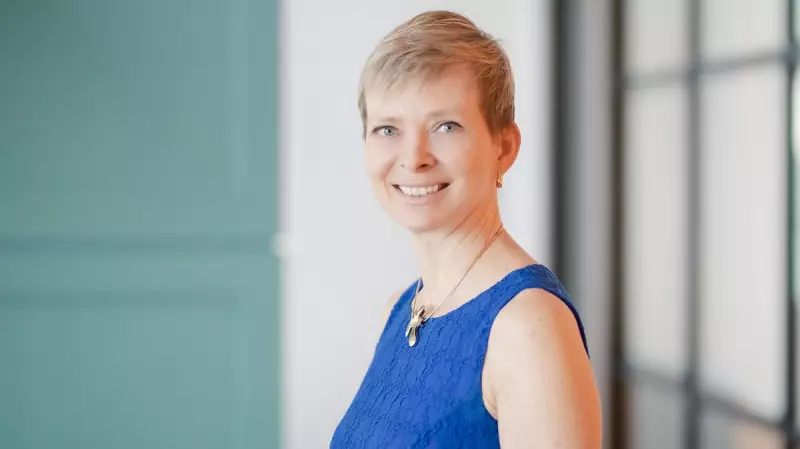
The article, authored by Mette Johansson and published on 27 December 2025, presents a stark reality check. It argues that despite the proliferation of formal diversity, equity, and inclusion (DEI) goals in corporate India and globally, the "real conversations" that shape careers and opportunities often occur outside the official workplace. These include casual gatherings over beers, networking on the golf course, and communications within private messaging groups that lack female representation.
This creates an invisible barrier to workplace equity, where women are systematically left out of the informal networks that build trust, share unofficial information, and foster mentorship. The piece suggests that without addressing these social and cultural underpinnings, formal targets risk becoming mere tick-box exercises that fail to create substantive change.

Why Informal Networks Hold the Key
Johansson's analysis points to a critical flaw in many gender equality initiatives: they focus heavily on HR policies and hiring quotas but neglect the organic social fabric of an organization. In many professional cultures, especially within certain industries and regions, bonding and deal-making happen in male-dominated social contexts.
The mention of WhatsApp groups sans women is particularly relevant in the Indian context, where such groups are ubiquitous for quick coordination and informal chatter. When these channels become de facto spaces for discussing work, sharing opportunities, or building camaraderie, those not included are placed at a significant disadvantage. This exclusion perpetuates a cycle where women have less access to sponsors, insider knowledge, and the casual advocacy that propels careers forward.
Moving Towards Holistic Inclusion
The conclusion is clear: achieving genuine workplace equity demands a dual approach. Organizations must certainly maintain and strive for their formal diversity targets. However, they must also consciously audit and reshape their informal cultures and practices.
This could involve:
- Creating inclusive networking events that do not revolve around traditionally male-centric activities.
- Encouraging leaders to be mindful of where and how they build relationships, ensuring accessibility.
- Establishing clear guidelines for work-related communication to ensure official channels are primary, reducing reliance on exclusive private groups.
- Fostering mentorship programs that actively connect women with senior leaders.
The fight for gender equality at work is not just about numbers on a boardroom slide. It is about dismantling the unseen barriers built through casual conversations and social rituals. As Johansson's piece implies, until the conversations on the golf course and in the WhatsApp group include everyone, the formal targets will remain only half-fulfilled promises. The last update of the source material was on 27 December 2025 at 22:08 IST, marking a timely reminder as businesses plan their strategies for the future.