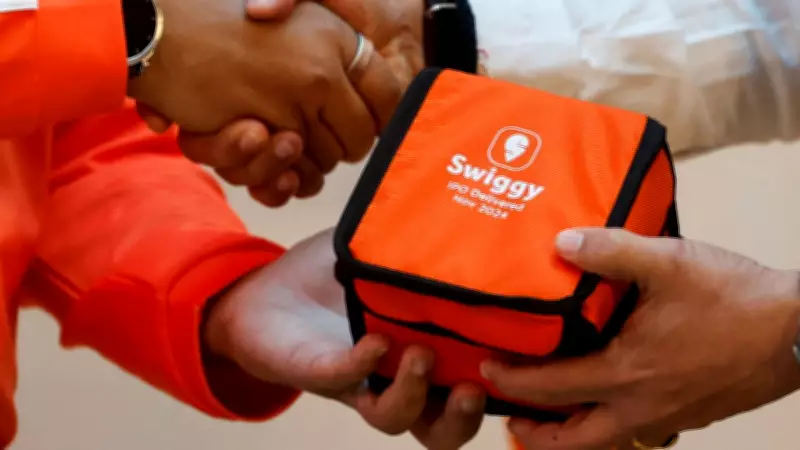
Swiggy's Q3 Financial Performance: Revenue Soars But Losses Mount
Swiggy, India's prominent food delivery and quick commerce platform, has unveiled its financial results for the September–December quarter, revealing a concerning trend of escalating losses despite impressive revenue growth. The company reported a net loss of ₹1,065 crore for the period, marking a significant increase from the ₹800 crore loss recorded during the same timeframe in the previous year.
Revenue Growth Amidst Financial Strain
On a positive note, Swiggy demonstrated robust top-line performance with consolidated revenue from operations surging by 54% year-on-year to ₹6,148 crore. This substantial increase compares favorably to the ₹3,993 crore revenue reported in the corresponding period of the prior financial year. The revenue growth underscores Swiggy's strong market position and expanding user base in India's competitive food delivery and quick commerce sectors.
Analysis of Swiggy's Financial Challenges
The widening net loss, despite the revenue surge, points to several underlying factors that continue to impact Swiggy's profitability:

- High Operational Costs: The company faces significant expenses related to logistics, delivery personnel, and technology infrastructure.
- Intense Competition: The food delivery market remains highly competitive, with rivals like Zomato and new entrants forcing Swiggy to maintain aggressive discounting and marketing strategies.
- Quick Commerce Expansion: Swiggy's investments in its quick commerce vertical, Instamart, require substantial capital outlay, contributing to the overall financial strain.
- Market Dynamics: Economic factors and consumer spending patterns in India may also be influencing the company's bottom line.
Industry Context and Future Outlook
Swiggy's Q3 results reflect broader trends in India's food delivery and quick commerce industry, where companies often prioritize growth and market share over immediate profitability. The 54% revenue increase suggests that Swiggy continues to capture significant demand, particularly in urban centers across India. However, the mounting losses highlight the ongoing challenge of achieving sustainable profitability in this sector.
Investors and market analysts will be closely monitoring Swiggy's future financial reports to assess whether the company can leverage its revenue growth to eventually narrow its losses. Key areas of focus include:
- Cost Optimization: Efforts to streamline operations and reduce expenses without compromising service quality.
- Diversification: Expanding into new revenue streams and verticals beyond food delivery.
- Market Leadership: Maintaining a competitive edge in India's rapidly evolving quick commerce landscape.
As Swiggy navigates these financial headwinds, its performance will serve as a bellwether for the broader Indian startup ecosystem, particularly in the hyper-competitive food tech space.