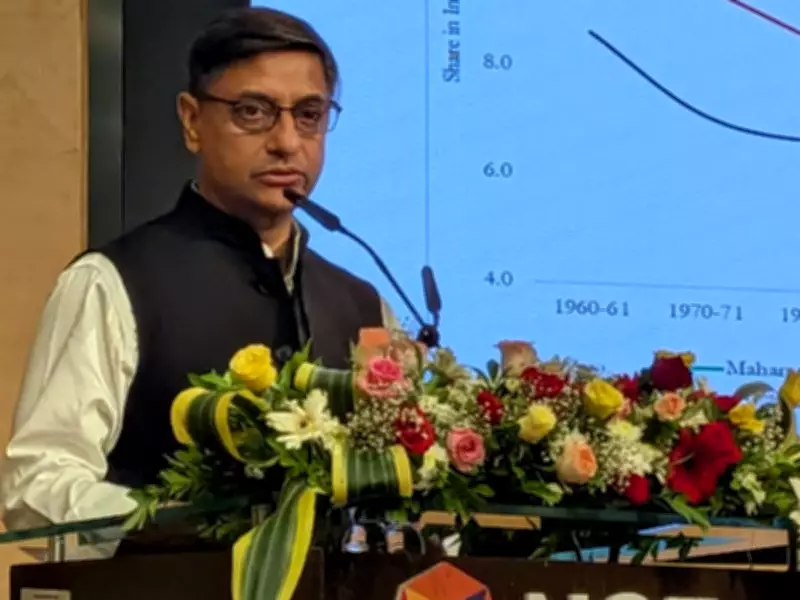
Sanjeev Sanyal, a noted economist and member of the Prime Minister's Economic Advisory Council, has underscored the critical role that Kolkata must play in addressing the persistent economic disparity between India's eastern and western regions. Speaking at a recent event, Sanyal highlighted that while western India has experienced rapid growth, the eastern part, particularly West Bengal, has lagged behind, necessitating a concerted effort to bridge this gap.
The East-West Divide
India's economic landscape has long been characterized by a pronounced east-west divide. States in the west, such as Gujarat and Maharashtra, have consistently outperformed their eastern counterparts in terms of GDP growth, industrial output, and per capita income. In contrast, eastern states like West Bengal, Odisha, and Bihar have struggled to keep pace, hampered by historical disadvantages, infrastructural deficits, and policy inertia.
Sanyal pointed out that Kolkata, as the largest city and economic hub in the east, has the potential to catalyze change. He argued that revitalizing Kolkata's economy could have a ripple effect on the entire region, creating jobs, attracting investment, and improving living standards. However, he cautioned that this would require a strategic approach, focusing on key sectors such as manufacturing, services, and technology.

Policy Recommendations
To unlock Kolkata's potential, Sanyal proposed several policy measures. First, he called for improved connectivity, both within the city and with other parts of the region. This includes upgrading transportation networks, such as roads, railways, and ports, to facilitate the movement of goods and people. Second, he emphasized the need for skill development programs to equip the local workforce with the competencies demanded by modern industries. Third, he advocated for fiscal incentives to attract businesses, such as tax breaks and subsidies, particularly for small and medium enterprises.
Moreover, Sanyal stressed the importance of governance reforms. He noted that bureaucratic red tape and corruption have historically deterred investment in the east. Streamlining regulations and ensuring transparency could help create a more business-friendly environment. He also called for greater collaboration between the central and state governments to align policies and resources.
Historical Context
The economic disparity between India's east and west is not a recent phenomenon. During the colonial era, the west benefited from early industrialization, while the east remained predominantly agrarian. After independence, the west continued to attract more investment, partly due to its strategic location and proactive state policies. In contrast, the east faced challenges such as political instability, labor unrest, and a focus on heavy industries that did not generate sufficient employment.
Kolkata, once the capital of British India and a thriving commercial center, gradually lost its preeminence. The decline of traditional industries like jute and tea, coupled with the rise of other cities, led to economic stagnation. However, Sanyal believes that the city can reinvent itself by leveraging its strengths, such as its educational institutions, cultural heritage, and strategic location near Southeast Asia.
Way Forward
To realize this vision, Sanyal called for a multi-pronged strategy involving both public and private sector initiatives. He urged the government to invest in infrastructure projects, such as the proposed Kolkata Metro expansion and the development of new industrial corridors. He also encouraged entrepreneurs to explore opportunities in emerging fields like information technology, healthcare, and renewable energy.
Furthermore, Sanyal emphasized the importance of social inclusion. He noted that economic growth must be accompanied by improvements in education, healthcare, and social welfare to ensure that the benefits reach all segments of society. He cited examples from other countries where targeted interventions have successfully reduced regional disparities.

In conclusion, Sanjeev Sanyal's remarks serve as a clarion call for policymakers, businesses, and citizens to work together in revitalizing Kolkata and the eastern region. While the challenges are significant, the potential rewards are immense. By taking decisive action, India can move closer to achieving balanced and inclusive economic development.