

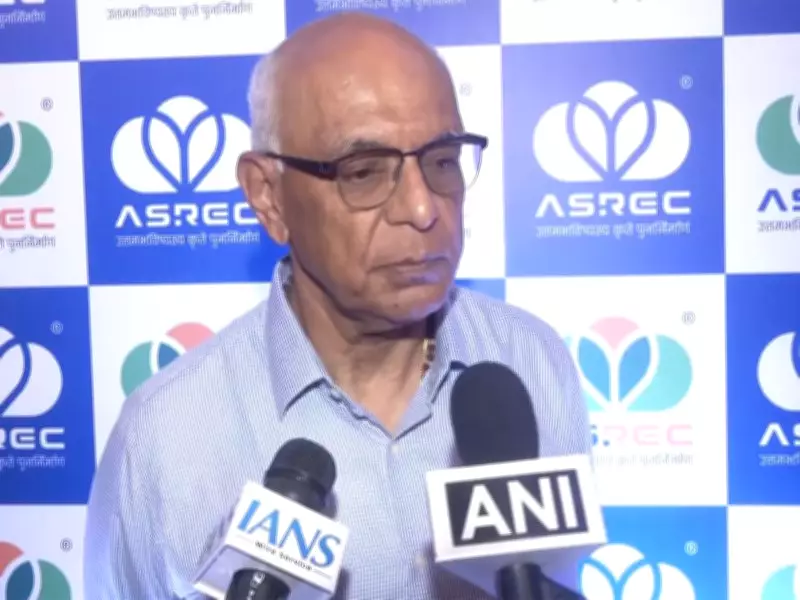
Former Skill Development Secretary has underscored the importance of austerity measures to manage demand amidst risks of a global supply shock. Speaking at a business forum, he highlighted that such measures are critical to prevent overheating of the economy and to ensure stability.
Global Supply Shock Risks
The global economy is facing unprecedented supply chain disruptions, leading to shortages and price volatility. The former secretary noted that these shocks could exacerbate inflationary pressures if demand is not carefully managed. He stressed that governments and businesses must adopt prudent fiscal policies to mitigate these risks.
Key Austerity Measures Suggested
- Fiscal Discipline: Reducing non-essential government spending to curb excess demand.
- Targeted Subsidies: Directing support only to the most vulnerable sectors to avoid wastage.
- Efficient Resource Allocation: Prioritizing investments in critical infrastructure and human capital.
Implications for India
For India, the former secretary advised focusing on domestic production capabilities to reduce reliance on imports. He emphasized the need for skill development programs to enhance productivity and adaptability in the workforce. “Austerity does not mean stagnation; it means making smart choices to sustain growth,” he remarked.

Long-term Strategies
He also called for structural reforms to strengthen supply chains and promote self-reliance. This includes investing in technology, improving logistics, and fostering innovation. The former secretary concluded that while short-term pain may be necessary, a balanced approach will lead to resilient economic growth.






