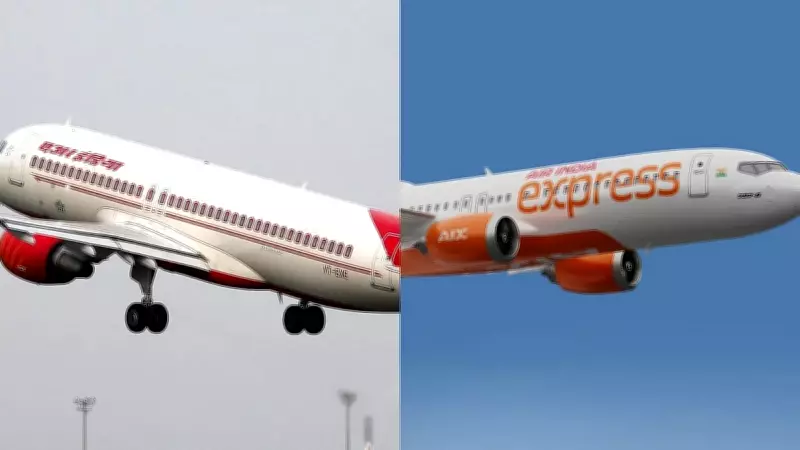
Air India and Air India Express Announce New Fuel Surcharge Implementation
In a significant move impacting air travel costs, Air India and its subsidiary Air India Express have officially declared the imposition of a fuel surcharge on flight tickets. This decision marks a strategic response to the escalating operational expenses faced by the aviation sector, particularly due to fluctuating fuel prices.
Details of the Fuel Surcharge Implementation
The surcharge will be levied at a rate of Rs 399 per domestic flight ticket, effective from March 12, 2026. This initiative is part of a phased rollout, with this being the initial phase aimed at mitigating the financial pressures from increased fuel costs. The surcharge is not limited to domestic routes alone; it will also be applicable to flights operating within the SAARC region, which includes countries such as Bangladesh, Bhutan, India, Maldives, Nepal, Pakistan, and Sri Lanka.
Impact on Passengers and the Aviation Industry
Passengers booking tickets on or after March 12, 2026, will see an additional charge of Rs 399 added to their fare for both domestic and SAARC flights. This surcharge is expected to affect a wide range of travelers, from business commuters to leisure tourists, potentially influencing travel decisions and budgeting. The aviation industry has been grappling with rising fuel prices, and this surcharge represents a direct measure by Air India and Air India Express to offset these costs without drastically altering base fares.

The announcement was made on March 10, 2026, at 16:50 IST, highlighting the urgency and importance of this financial adjustment in the current economic climate.
Broader Context and Future Implications
This move by Air India and Air India Express could set a precedent for other airlines in the region, as fuel surcharges are a common tool used globally to manage volatile fuel markets. Travelers are advised to factor in this additional cost when planning their journeys, and it may prompt a review of travel policies for corporate and frequent flyers. As the aviation sector continues to navigate challenges, such surcharges might become more prevalent, impacting overall travel affordability and industry dynamics.