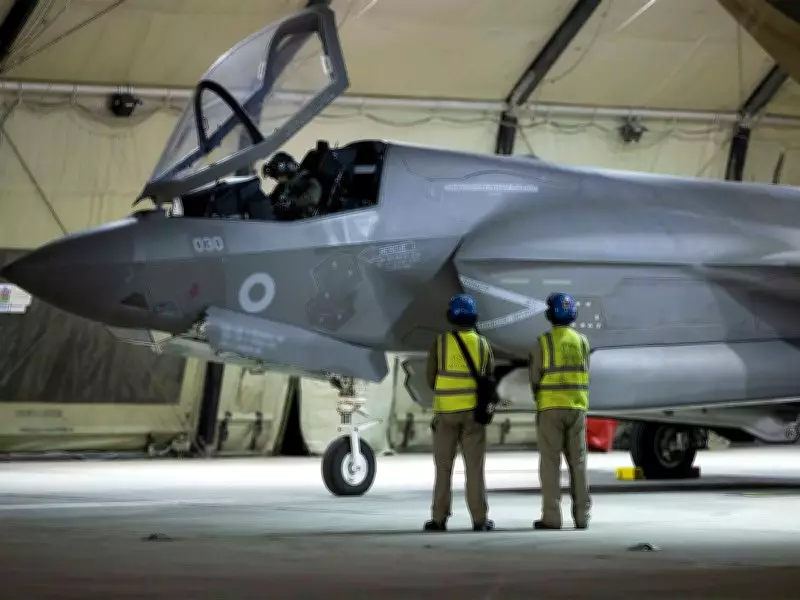
UK Royal Air Force Successfully Neutralizes Drone Threat Over Iraq
In a significant security operation, the United Kingdom's Royal Air Force (RAF) has intercepted and destroyed a hostile drone that was operating within Iraqi airspace. This incident highlights the persistent and evolving threats faced by international forces stationed in the region, as well as the critical role of advanced aerial defense systems in maintaining stability.
Details of the Drone Interception Operation
The operation, carried out by RAF personnel, involved the swift detection and targeting of the unmanned aerial vehicle (UAV) as it posed a potential risk to coalition forces and civilian infrastructure. Utilizing state-of-the-art surveillance and weaponry, the RAF successfully neutralized the drone, preventing any casualties or damage. This action underscores the UK's commitment to supporting security efforts in Iraq and countering asymmetric threats that have become increasingly common in conflict zones.
Context and Implications for Regional Security
Iraq has been a focal point for international military operations aimed at combating terrorism and ensuring regional stability. The presence of drones, often used by non-state actors for surveillance or attacks, represents a growing challenge. This interception by the RAF not only demonstrates the effectiveness of allied defense capabilities but also raises concerns about the proliferation of drone technology in volatile areas. Experts note that such incidents could escalate tensions, necessitating continued vigilance and cooperation among coalition partners.

- The drone was identified as a hostile entity, prompting immediate action by the RAF.
- No injuries or collateral damage were reported following the interception.
- The operation aligns with broader international efforts to secure Iraqi airspace against unauthorized aerial activities.
International Response and Future Outlook
This event has drawn attention from global security analysts, who emphasize the need for enhanced drone defense strategies. The UK Ministry of Defence has reiterated its dedication to protecting its forces and allies in the region, while Iraqi authorities have acknowledged the support in maintaining airspace integrity. Looking ahead, similar incidents may prompt further investments in anti-drone technology and tighter coordination between nations to mitigate emerging aerial threats.