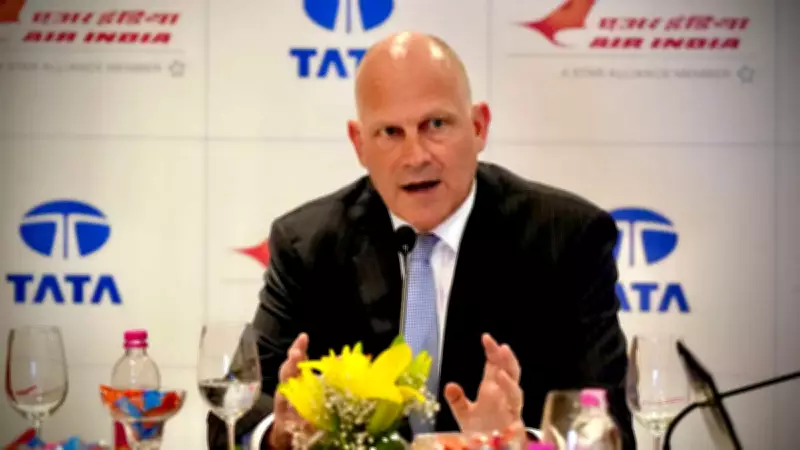
Air India CEO Campbell Wilson Steps Down Amid Financial Strain
In a significant development for India's aviation sector, Air India's Chief Executive Officer, Campbell Wilson, has tendered his resignation. This move comes at a time when the airline is grappling with mounting financial losses, raising concerns about its operational stability and future trajectory.
Mounting Losses Prompt Leadership Change
Reports indicate that Air India has been facing severe financial pressures, with losses accumulating over recent quarters. The airline, which was privatized and taken over by the Tata Group in 2022, has struggled to turn a profit despite efforts to revamp its operations and fleet. Sources suggest that the persistent financial challenges have created an untenable situation, leading to Wilson's decision to step down.
Campbell Wilson, who assumed the role of CEO in 2022, was tasked with steering Air India through a critical transformation phase. His tenure saw initiatives aimed at improving service quality, expanding routes, and integrating the airline with other Tata-owned aviation entities. However, the financial headwinds proved overwhelming, with factors such as high fuel costs, competitive pricing, and legacy issues contributing to the losses.

Impact on Air India's Operations and Strategy
The resignation of the CEO is expected to have immediate implications for Air India's strategic direction. Under Wilson's leadership, the airline embarked on ambitious plans, including fleet modernization and network expansion. With his departure, there may be a reassessment of these strategies, particularly in light of the financial constraints.
Industry analysts note that Air India's losses are part of broader challenges in the aviation sector, including volatile fuel prices and intense competition from low-cost carriers. The airline's ability to navigate these issues will be crucial for its recovery and growth.
- Financial losses have been mounting over multiple quarters.
- Wilson's resignation follows efforts to overhaul operations.
- The Tata Group faces pressure to stabilize the airline's finances.
Looking Ahead: Challenges and Opportunities
As Air India searches for a new CEO, the focus will likely shift to implementing cost-cutting measures and enhancing revenue streams. The Tata Group, which has invested significantly in the airline, may need to inject additional capital or restructure debt to address the financial shortfall.
The aviation industry in India remains a key growth area, with increasing passenger traffic and government support for infrastructure development. However, Air India's current predicament underscores the difficulties of managing a legacy carrier in a dynamic market. Stakeholders, including employees and passengers, will be watching closely for signs of a turnaround.
- Immediate priority: Appoint an interim leadership team.
- Long-term goal: Achieve financial sustainability and profitability.
- Potential strategies: Fleet optimization, route rationalization, and service enhancements.
In conclusion, Campbell Wilson's resignation marks a pivotal moment for Air India as it confronts financial hurdles. The airline's journey under new leadership will be critical in determining its ability to compete effectively and regain its stature in the global aviation landscape.