RBI Unveils Draft Guidelines to Revamp Kisan Credit Card Scheme
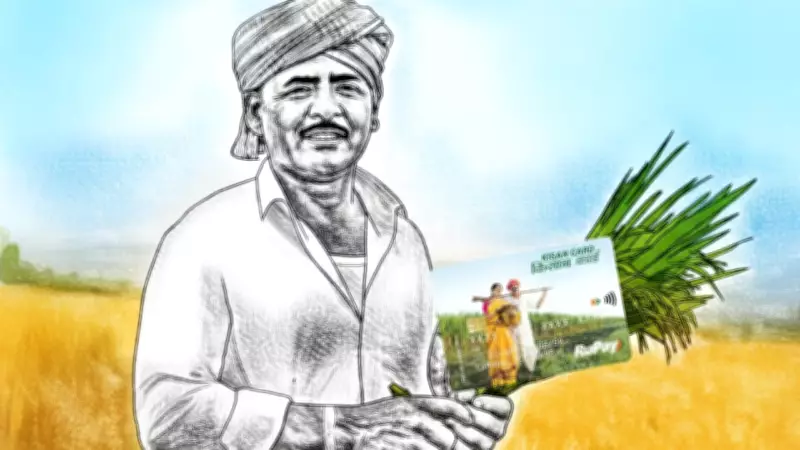
The Reserve Bank of India (RBI) took a significant step on Thursday by issuing draft directions aimed at revising and consolidating the guidelines for the Kisan Credit Card (KCC) scheme. This initiative is designed to broaden the coverage of the scheme, streamline its operational aspects, and address emerging requirements within the agriculture sector, ensuring that farmers receive more tailored and effective financial support.
Key Proposals in the Draft Guidelines
The central bank has proposed several critical changes to enhance the KCC scheme. One of the standout proposals is the standardization of crop seasons in terms of duration. This move is intended to bring uniformity in loan sanction and repayment schedules across different regions and crop types. Specifically, short-duration crops have been defined with a 12-month cycle, while long-duration crops are pegged at 18 months, providing clearer timelines for farmers and lenders alike.
To better align loan tenure with crop cycles, especially for longer-duration crops, the RBI has extended the tenure of KCC loans to six years. This extension is expected to offer farmers greater flexibility and reduce the burden of frequent repayments, thereby supporting sustainable agricultural practices.

Enhancements in Credit and Expense Coverage
Further, the RBI has proposed aligning drawing limits under the KCC with the scale of finance for each crop season. This adjustment ensures that farmers receive adequate credit based on the actual cost of cultivation, preventing underfunding and promoting optimal agricultural output. By linking credit limits to real-time financial needs, the scheme aims to boost productivity and income for farmers.
In a forward-looking move, the draft guidelines include expenses related to technological interventions as eligible components. These encompass costs for soil testing, real-time weather forecasts, and certification for organic or good agricultural practices. Such expenses will be covered within the 20 percent additional component currently allowed towards repairs and maintenance of farm assets, encouraging farmers to adopt modern techniques and improve farm efficiency.
Stakeholder Feedback and Implementation Timeline
The RBI has invited comments and feedback on the draft guidelines from regulated entities, members of the public, and other stakeholders by March 6, 2026. This participatory approach aims to incorporate diverse perspectives and ensure that the final guidelines are robust and widely accepted. The release of these draft guidelines follows an announcement made by RBI Governor Sanjay Malhotra during the monetary policy statement in February, highlighting the central bank's commitment to agricultural finance reform.
Overall, these proposed revisions to the Kisan Credit Card scheme represent a comprehensive effort by the RBI to modernize agricultural lending, support farmer livelihoods, and foster growth in the agriculture sector through enhanced financial inclusivity and technological adoption.