Lok Sabha Committee Recommends Scrapping Minimum Balance Penalties Nationwide
In a significant development for banking customers across India, the Lok Sabha petitions committee has formally recommended that banks cease imposing penalties for non-maintenance of minimum balance in savings accounts. This recommendation comes after years of advocacy and a detailed petition from a Bengaluru-based entrepreneur, highlighting the financial burden these charges place on ordinary citizens.
Bengaluru Entrepreneur Sparks National Movement
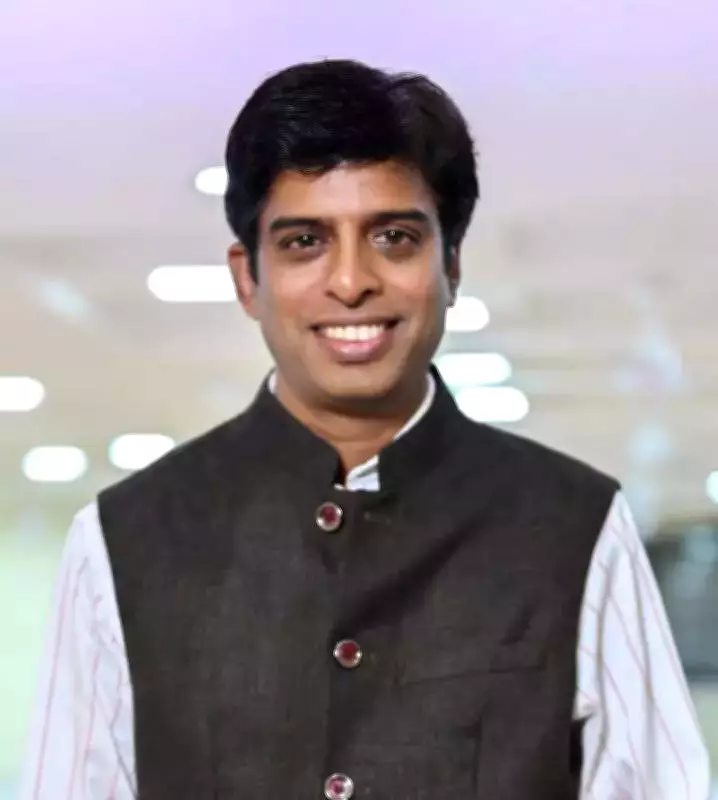
The catalyst for this parliamentary action was Parameshwaran Krishna Iyer, a 47-year-old founder of the city-based firm Bamboopecker. Iyer observed firsthand the monthly struggles of his employees, who faced substantial deductions from their salaries due to minimum balance penalties. "Whenever my employees received their salaries, they would immediately send money home and withdraw cash for daily expenses," Iyer explained. "This left little in their accounts, making it impossible to maintain the required minimum balance."
One particularly distressing incident involved an employee who needed travel expenses to return to Bengaluru from leave. "We transferred the money, but he could only access half of it because his account had a negative balance from previous penalties," Iyer recalled. This unfair practice motivated him to take action in 2024, initially approaching the Reserve Bank of India without success.

From Petition to Parliamentary Action
After extensive research, Iyer determined that raising the issue in Parliament offered the most effective solution. On August 18, 2024, he submitted a detailed three-page petition to Lok Sabha Speaker Om Birla, outlining his concerns and proposing concrete recommendations. His central argument was compelling: if banks require customers to maintain a minimum balance, they should prevent withdrawals that drop below that threshold rather than penalizing them afterward.
Although Iyer received no immediate response, prompting him to write to then Chief Justice of India DY Chandrachud, behind-the-scenes work had already begun. By March 2025, the finance committee issued an official memorandum on the matter, and by June, responses were sought from the Department of Financial Services regarding the rationale for these penalties.
Staggering Financial Impact Revealed
The data uncovered by the department was startling. Public sector banks collected Rs 122 crore in penalties within Karnataka alone during the 2024-25 financial year. At the national level, private banks like HDFC Bank collected an astonishing Rs 1,112 crore in similar charges in a single financial year, highlighting the widespread financial impact on account holders.
Positive Changes and Official Recommendations
Iyer's persistent follow-ups began yielding results even before the committee's formal recommendation. Several public sector banks, including Punjab National Bank, Union Bank of India, State Bank of India, and Canara Bank, started permitting zero-balance savings accounts. Then, in December 2025, the Lok Sabha petitions committee, chaired by MP Chandra Prakash Joshi, published 47 recommendations, many echoing Iyer's original proposals.
The committee explicitly noted that "for individuals or small entrepreneurs whose business income is low, seasonal, or inconsistent, maintaining such balances may be challenging," adding that eliminating penalties serves the best interests of all stakeholders. This acknowledgment validates the struggles faced by millions of low-income earners and small business owners across the country.
A Common Man's Victory in the Making
While the recommendation has yet to become official policy, the CV Raman Nagar resident's pursuit demonstrates how individual advocacy can prompt systemic change. Iyer's journey from observing his employees' financial hardships to influencing national banking policy underscores the power of determined citizen action. As banks increasingly adopt zero-balance accounts and parliamentary committees advocate for fairer practices, this movement represents a significant step toward more inclusive and compassionate banking in India.