

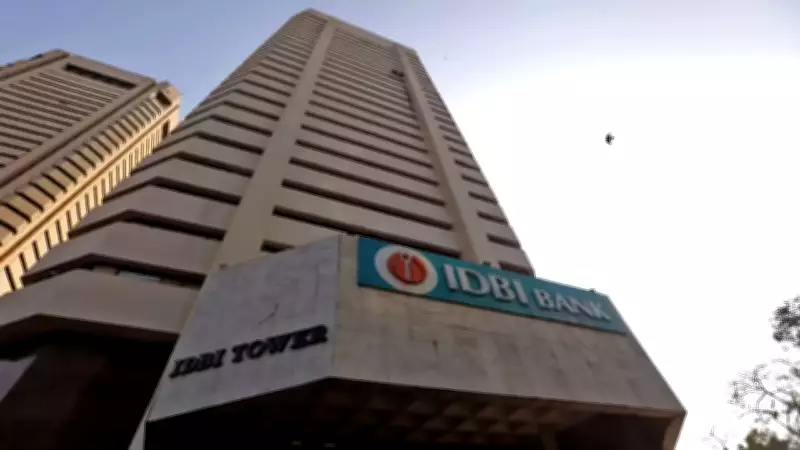
Centre Cancels IDBI Bank Disinvestment Process After Low Bids
Five years after initiating the disinvestment process, the Central government has officially called off the sale of IDBI Bank. This decision comes after the bids received were found to be significantly lower than the reserve price set by the authorities.
Future Course of Action and Cabinet Approval
Sources familiar with the matter have indicated that the government will now deliberate on the future course of action. This may include calling for fresh bids to ensure the best possible value is realized from the sale. However, given the ongoing uncertainty caused by the conflict in West Asia, the process is expected to take additional time. A formal decision to halt the disinvestment will require approval from the Union cabinet.
Impact on Privatization Plans and Disinvestment Targets
IDBI Bank was the only active privatization plan in the government's pipeline, with other major disinvestments such as Shipping Corporation, BEML, and Bharat Petroleum having been postponed indefinitely. The government's broader strategy to sell stakes in a public sector bank and an insurance company has also stalled, leaving the Air India stake sale as the sole successful privatization during the NDA's 11-year tenure at the Centre.

This development deals a significant blow to the government's disinvestment targets. For the upcoming financial year, the budget had allocated close to Rs 80,000 crore from such sales. Some within the government viewed the IDBI Bank stake sale as a catalyst for further disinvestment initiatives in the coming months, moving away from the current reliance on offers for sale and initial public offers to generate resources.
Market Conditions and Stakeholder Involvement
The choppy market conditions have already complicated the disinvestment process. With valuations falling, the government had previously postponed the planned sale of shares in LIC to the next fiscal year. In the case of IDBI Bank, the only two remaining bidders were Fairfax, owned by billionaire investor Prem Vatsa, and an Emirati bank. They were competing for the stake offered by both the government and LIC, which is the largest shareholder in the bank.
Following the announcement, IDBI Bank shares fell by 6.6%, closing at Rs 92.20 on the Bombay Stock Exchange (BSE).
Setback for IDBI Bank's Evolution Plan
For IDBI Bank, this cancellation represents the latest setback in its long-term evolution plan. The bank has undergone significant restructuring, with the Centre injecting large sums of money to revive it after a failed attempt to convert it into a universal bank. This effort was hampered by a substantial pool of legacy bad debt and sticky assets.
In fact, LIC was originally brought in by the government as a form of bailout. The insurance giant was made to invest in what was initially a development financial institution that relied on subsidized capital from the Centre. This funding ceased once the economy was liberalized and the Reserve Bank of India (RBI) implemented a stronger regulatory framework.
The halted disinvestment process underscores the challenges faced in revitalizing and privatizing state-owned entities amid economic and geopolitical uncertainties.






