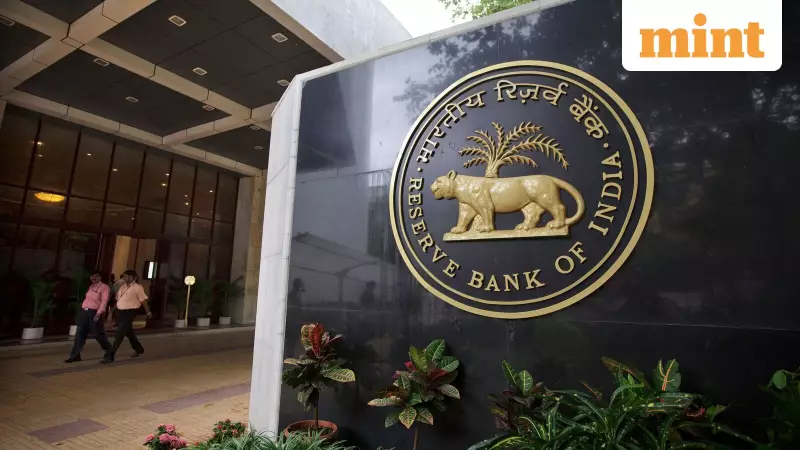
The prolonged deadlock between Indian and European financial regulators has finally been resolved with the signing of a crucial new agreement. The Reserve Bank of India (RBI) and the European Securities and Markets Authority (ESMA) have inked a fresh memorandum of understanding, effectively ending a three-year standoff that had restricted European Union clearing members from accessing Indian central counterparties.
A Significant Milestone in International Financial Cooperation
This development marks a pivotal moment in the regulatory relationship between India and the European Union. The agreement establishes a comprehensive framework for information exchange and mutual recognition of supervisory activities, paving the way for restored access to India's clearing infrastructure for EU-based financial institutions.
Background of the Dispute
The conflict originated from fundamental differences regarding supervisory jurisdiction over Indian clearing houses. When the previous memorandum of understanding expired in March 2022, ESMA sought revised terms that would grant them direct inspection powers over Indian clearing corporations. The RBI resisted these demands, leading to ESMA's withdrawal of recognition for six Indian clearing houses in October 2022.

The impasse created significant operational challenges for European financial institutions operating in Indian markets, as they faced restricted access to critical clearing services. ESMA had initially deferred its derecognition plan until April 2023, providing temporary relief while negotiations continued behind the scenes.
Key Provisions of the New Agreement
The freshly signed memorandum replaces the earlier agreement dated February 28, 2017, and introduces several important elements:
- Establishes a formal framework for ESMA to rely on RBI's regulatory and supervisory oversight
- Creates mechanisms for information sharing between the two regulatory bodies
- Enables Indian central counterparties, including the Clearing Corporation of India Ltd (CCIL), to re-apply for ESMA recognition
- Safeguards European Union financial stability while respecting Indian regulatory sovereignty
Broader Context and Implications
This regulatory breakthrough coincides with significant developments in India-EU economic relations. The agreement was announced on the same day that India and the European Union signed a comprehensive free trade agreement, which is projected to potentially double EU exports to the Indian market.
The timing underscores the deepening economic partnership between these major global economies, with financial market integration serving as a crucial component of broader trade relations.
The resolution also reflects the post-2008 financial crisis regulatory landscape, where the European Market Infrastructure Regulation (EMIR) requires central counterparties servicing European banks abroad to obtain ESMA approval. This framework, implemented in 2012, aims to enhance transparency and reduce systemic risks in over-the-counter derivatives markets.
Future Prospects and Industry Impact
With the new agreement in place, market participants anticipate several positive outcomes:
- Restored access for EU clearing members to Indian central counterparties
- Enhanced cross-border financial market integration
- Strengthened international supervisory cooperation
- Improved market confidence and stability
As ESMA noted in their official statement, this agreement demonstrates their "strong commitment to international supervisory cooperation and mutual support to advance safe, resilient and open financial markets." The RBI similarly emphasized the importance of this framework for maintaining financial stability while facilitating international financial operations.