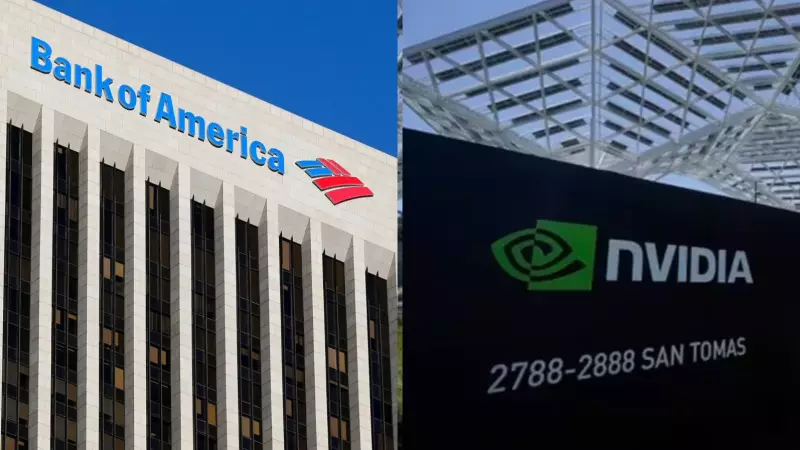
Bank of America's AI Implementation Hurdles with Nvidia's Infrastructure
In a significant development in the financial technology sector, Bank of America is reportedly encountering substantial challenges in effectively utilizing the advanced artificial intelligence infrastructure it acquired from Nvidia. This situation underscores a critical issue facing many large institutions: the gap between purchasing cutting-edge AI technology and successfully integrating it into complex, real-world operations.
The Nvidia-Bank of America Partnership
Nvidia, a global leader in AI and graphics processing technology, sold its sophisticated AI infrastructure to Bank of America with the promise of revolutionizing the bank's data processing, customer service, and analytical capabilities. The deal was positioned as a strategic move to embed state-of-the-art AI directly into the banking giant's core operations, potentially setting a new standard for the financial industry.
Operational Struggles and Implementation Barriers
Despite the technological prowess of Nvidia's systems, Bank of America has faced multiple obstacles in deployment. Sources indicate that the bank's existing legacy systems, regulatory compliance requirements, and the sheer scale of its operations have created integration complexities that were not fully anticipated. The transition from traditional banking infrastructure to AI-driven platforms involves significant technical and organizational adjustments that are proving more difficult than expected.

Key challenges include:
- Compatibility issues between Nvidia's AI infrastructure and the bank's established software ecosystems
- Data security and privacy concerns in handling sensitive financial information through AI systems
- Training and upskilling of existing staff to manage and operate the new AI technologies effectively
- Regulatory hurdles specific to the banking sector that limit the rapid deployment of AI solutions
Broader Implications for AI Adoption in Banking
This development highlights a crucial lesson for the financial industry: acquiring advanced technology is only the first step. The real challenge lies in adaptation, integration, and practical application within the stringent frameworks of banking operations. Other financial institutions watching this scenario may reconsider their own AI implementation strategies, potentially opting for more gradual, phased approaches rather than wholesale technological overhauls.
The struggle also raises questions about vendor-client relationships in the AI space, where technology providers like Nvidia must ensure their solutions are not just powerful but also practically deployable in specific industry contexts.
Future Outlook and Strategic Adjustments
Bank of America is reportedly working closely with Nvidia to address these implementation challenges, suggesting that both parties recognize the importance of making the partnership work. The bank may need to invest additional resources in customizing the AI infrastructure to better align with its operational needs and regulatory environment. This case serves as a valuable case study for how traditional industries can navigate the complex transition to AI-driven operations while maintaining stability and compliance.
The outcome of this effort will likely influence how other major banks approach their own AI investments, potentially shaping the future of technology adoption across the global financial sector.