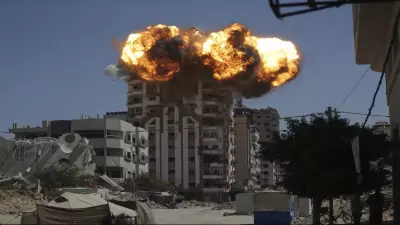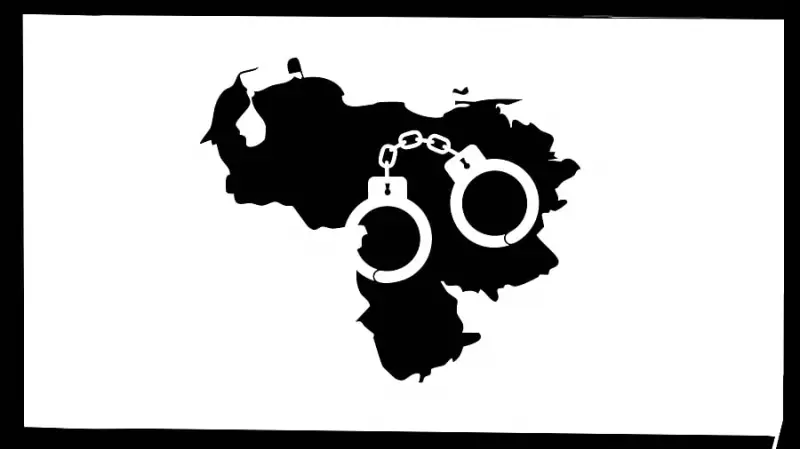
The recent military action by the United States in Venezuela has ignited global debate, framed by Washington as a necessary step for regional stability. However, a deeper look reveals unsettling historical echoes. Security analyst Vappala Balachandran points out that this operation bears a striking resemblance to another US intervention from the past: the 1989 invasion of Panama.
The Ghost of Panama Past in Venezuela's Present
In December 1989, the United States launched Operation Just Cause in Panama, with the stated goal of deposing dictator Manuel Noriega and safeguarding American interests. The official justification centered on restoring democracy and protecting the Panama Canal treaties. Fast forward to January 2026, and the US has conducted a targeted strike in Venezuela. While the strategic interests of protecting regional influence and energy security are undeniable, Balachandran argues the public rationale of enforcing 'law and order' creates a direct parallel to the Panama precedent.
The Monroe Doctrine's Long Shadow
Both actions, separated by decades, operate under the enduring umbrella of the Monroe Doctrine. This 19th-century policy established the Western Hemisphere as a US sphere of influence, reserving the right to intervene against external powers or internal chaos. The Venezuela strike, according to this analysis, is a contemporary application of this old principle. It underscores that while global dynamics evolve, certain core tenets of American foreign policy remain remarkably consistent, adapting their language to the geopolitical zeitgeist.

Strategic Interests Versus Public Justification
Balachandran's commentary makes a critical distinction. He does not deny the real strategic interests the US holds in the region, which include:
- Countering the influence of rival global powers.
- Securing energy resources and supply routes.
- Preventing state collapse that could trigger mass migration.
Yet, the public-facing narrative often leans on broader, more morally framed objectives like upholding democratic norms or humanitarian concerns. This pattern was seen in Panama and is visible again today. The operation, therefore, becomes a complex blend of hard-nosed strategy and ideological justification.
Implications for Global Order and India
For the international community, and for observing nations like India, this recurrence is significant. It suggests that unilateral interventions under the banner of regional policing are not relics of the Cold War. The Panama-Venezuela parallel serves as a case study in how historical frameworks are repurposed. It raises urgent questions about sovereignty, the rules-based international order, and the future of Latin America's political autonomy. As Balachandran implies, understanding this action requires looking not just at today's headlines, but at the long arc of hemispheric power politics.
Ultimately, the Venezuela strike of 2026, much like the Panama invasion of 1989, will be debated for its legality, morality, and efficacy. But its place as a chapter in the ongoing story of the Monroe Doctrine is already being written by analysts like Vappala Balachandran, reminding us that in geopolitics, the past is rarely ever truly past.