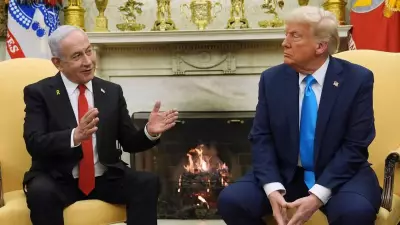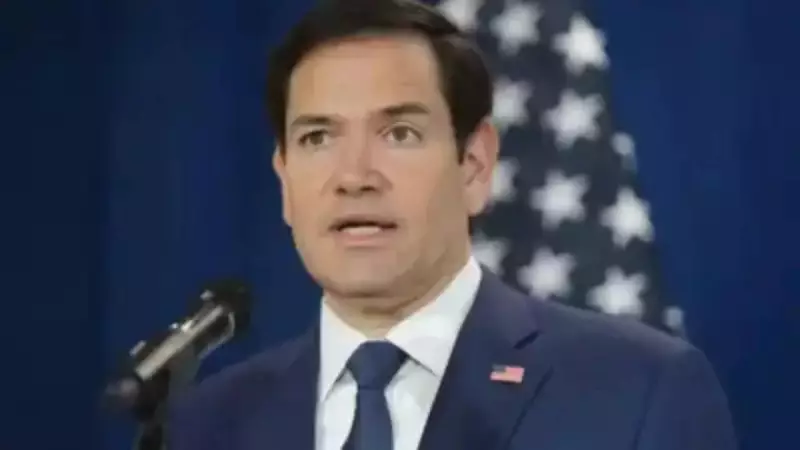
In a significant shift from President Donald Trump's earlier statements, the United States has clarified it will not take direct control of Venezuela's governance. Instead, it plans to exert pressure through strategic leverage, primarily by enforcing a strict "oil quarantine." This clarification came from US Secretary of State Marco Rubio on Sunday, following President Trump's declaration that the US would be "running" the country after the capture of President Nicolas Maduro.
From "Running" to "Leveraging": A Shift in US Tone
Secretary of State Marco Rubio, in a series of television appearances, outlined the revised American position. He stated that the US military would maintain a naval quarantine around Venezuela to prevent the entry and exit of oil tankers under American sanctions. This move aims to cripple the economic lifeline of the former Maduro government. However, Rubio explicitly stated that the US would not assume a day-to-day governing role in the South American nation.
This represents a softening of President Trump's extraordinary remarks from Saturday, where he said the US intended to "run" Venezuela to reclaim American oil interests and that he would not hesitate to put military "boots on the ground." Pentagon officials confirmed that there are currently no US military personnel inside Venezuela.

Defiance from Caracas and Threats from Washington
The US's revised stance unfolded alongside continued defiance from Caracas and new threats from Washington. Venezuela's Vice President, Delcy Rodriguez, who assumed the interim presidency on Sunday, firmly rejected any US authority. "There is only one president in Venezuela, and his name is Nicolas Maduro. We will never again be a colony of any empire," she declared.
Despite this, President Trump warned that Rodriguez would pay a "very big price" if she failed to cooperate with US demands. The White House has expressed belief that the interim leader will eventually comply. The nature of private talks between US officials and Venezuela's remaining leadership remains unclear.
Military Standoff and Human Cost
Venezuela's Defence Minister, Vladimir Padrino Lopez, echoed Rodriguez's defiance in a fiery speech broadcast on state television. Backed by uniformed soldiers, he asserted that the armed forces remained loyal to the existing structure and would defend national sovereignty. Lopez claimed that US forces killed a "large part" of Maduro's security detail during the raid that captured him. The overall death toll from the operation, including soldiers and civilians, reportedly rose to 80 by Sunday.
Meanwhile, the captured former president, Nicolas Maduro, along with his wife, is held in a Brooklyn jail. Both face federal indictments on drug trafficking and weapons charges and are scheduled for their initial court appearance on Monday.
Secretary Rubio emphasized that the substantial US naval presence in the Caribbean Sea near Venezuela would remain "until we see changes." He stated these changes should not only serve the US national interest but also lead to a better future for the Venezuelan people. Rubio also signaled Washington's readiness to work with Venezuela's current leaders, including Rodriguez, if they make "the right decision," marking a potential path for diplomatic engagement amidst the ongoing crisis.