Winter Storm Cripples US with Massive Disruptions: Over 6,000 Flights Cancelled
A powerful winter storm has unleashed chaos across the United States, leading to the cancellation of nearly 6,000 flights over the weekend and prompting emergency declarations in at least 17 states. The severe weather system, bringing frigid temperatures, heavy snowfall, and dangerous ice, has disrupted travel plans for millions and raised alarms about widespread power outages and hazardous conditions.
Emergency Declarations and Widespread Impact
As the storm intensified, state and local officials scrambled to respond. At least 17 states, including Alabama, Arkansas, Georgia, Kansas, Kentucky, Louisiana, Maryland, Mississippi, Missouri, New Jersey, New York, North Carolina, Pennsylvania, South Carolina, Tennessee, Texas, Virginia, and Washington, DC, have declared states of emergency. This proactive measure aims to mobilize resources and ensure public safety as the storm's effects worsen.
Flight Cancellations Reach Alarming Levels
The aviation sector has been hit hard, with FlightAware reporting over 6,000 cancellations across the US. Specifically, more than 2,836 flights were canceled on Saturday, and over 3,587 on Sunday, making it the worst day for US flight cancellations in the past year. These numbers are fluctuating in real-time as airlines adjust to the unpredictable weather patterns.

Ice and Snow Pose Severe Threats
The storm is expected to span nearly 1,500 to 2,000 miles, stretching from Texas to New England. One of the most dangerous aspects is the ice accumulation in southern regions, with cities like Dallas, Little Rock, Memphis, Nashville, Atlanta area, Charlotte, Raleigh, Roanoke, and Washington, DC, facing the brunt. Subzero wind chills are anticipated to affect more than half of all Americans in the coming week, exacerbating the risks of frozen pipes and impassable roads.
Power Outages and Infrastructure Challenges
Residents are bracing for potential power outages, with officials warning of tight supply-demand balances, particularly in Texas. Governor Greg Abbott has issued disaster declarations for most counties in the state, marking its biggest test since the deadly winter storm nearly five years ago. Natural gas prices have surged, with futures rocketing by over 70% to above $5 per million British thermal units, reflecting the strain on energy resources.
Community Response and Preparations
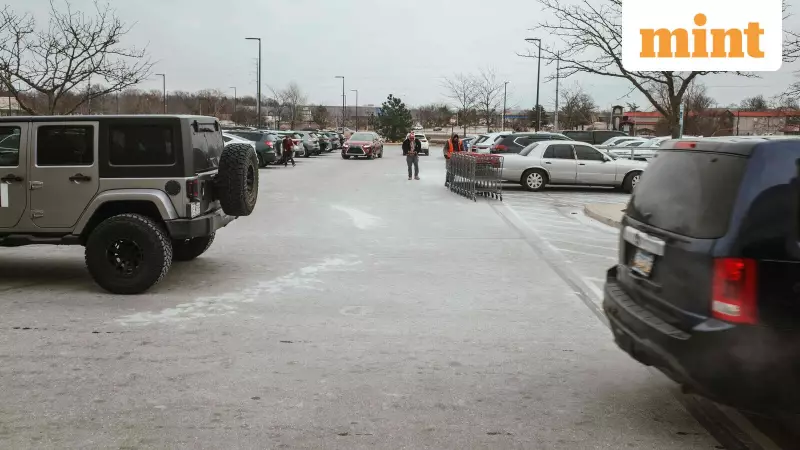
In anticipation of the storm, schools nationwide have canceled classes, and shoppers have rushed to stock up on essentials. For instance, in Falls Church, Virginia, long lines formed outside grocery stores like Trader Joe's, with shelves emptying quickly. Washington, DC, Mayor Muriel Bowser declared a Snow Emergency, urging residents to move vehicles off designated routes to facilitate snow removal efforts.
Historical Context and Future Projections
Meteorologists compare this storm to the 1993 "superstorm," noting it as one of the most expansive snowfall events in decades. With current projections indicating at least nine inches of snow in some areas and the possibility of freezing rain, conditions are expected to remain hazardous through the weekend and into early next week. The storm's impact on travel, energy, and daily life underscores the need for continued vigilance and preparedness as it tracks eastward.