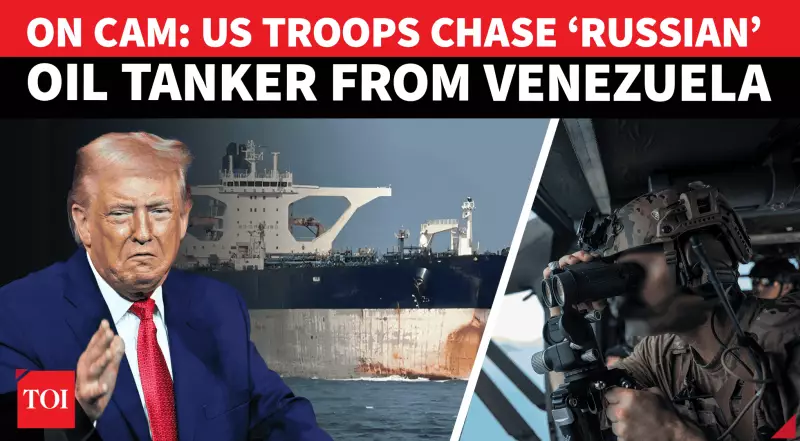
A dramatic naval confrontation is unfolding in the Atlantic, threatening to ignite a new flashpoint between global powers. The incident involves a US warship chasing a rusting oil tanker near Venezuelan waters, a vessel that has suddenly claimed Russian registration, drawing Moscow's naval assets into a tense standoff.
The Chase and the Sudden Russian Flag
The crisis began when the United States Coast Guard moved to intercept an aging oil tanker suspected of illicit activities. This ship, previously sanctioned for transporting oil illegally, was attempting to evade an American-led blockade near Venezuela. As US forces closed in for a potential seizure, the situation took a sharp diplomatic turn.
The tanker's operators declared it was now under the Russian flag and protection. This claim, made on January 7, 2026, instantly complicated the legal landscape. Under international maritime law, interfering with a sovereign nation's vessel on the high seas is a highly provocative act. In response, Russia reportedly dispatched its own naval ships to escort the tanker, leading to a direct face-off with American forces in international waters.

A Shadow Fleet in the Spotlight
This event throws a glaring spotlight on the growing issue of Russia's global shadow oil fleet. These often older, poorly maintained tankers operate with opaque ownership and insurance, used to circumvent Western sanctions on Russian oil exports. The pursuit of this particular tanker by the US was likely part of a broader effort to enforce these sanctions and disrupt the shadow network.
The vessel's last-minute registration switch is seen as a tactical move by Moscow, creating a legal shield and forcing Washington into a difficult choice: back down and risk looking weak, or escalate and risk a direct military incident.
Broader Implications and Global Fears
The timing of this Atlantic standoff could not be more delicate. It occurs against the backdrop of fragile peace talks concerning the Ukraine war. Any direct naval clash between US and Russian forces could shatter these negotiations, leading to a rapid and dangerous escalation of the broader conflict.
Analysts express growing concern that such incidents are becoming more frequent as Russia relies more heavily on its shadow fleet and the US becomes more assertive in its enforcement actions. The situation near Venezuela adds another layer, involving a region already fraught with tensions between Washington and Caracas, and by extension, Moscow, a key Venezuelan ally.
The core fear is an accidental or intentional escalation at sea. A misinterpreted maneuver, a warning shot, or a physical collision could quickly spiral out of control, drawing both nations into a conflict neither ostensibly wants but may find hard to avoid.
This high-stakes chase underscores the new, volatile front in the US-Russia rivalry: the world's oceans. It demonstrates how economic sanctions, energy politics, and naval power are intertwining to create unpredictable and dangerous flashpoints far from the traditional battlefields.