New stringent immigration checks implemented by the United States, particularly rules mandating public social media accounts for visa vetting, have triggered significant anxiety and panic among Indian families. As the largest segment of America's high-skilled migrant workforce, thousands of Indians now face uncertainty over their legal status, income, and children's schooling, all of which hinge on timely visa renewals.
Expert Advice: Avoid These Critical Mistakes in Your Visa Application
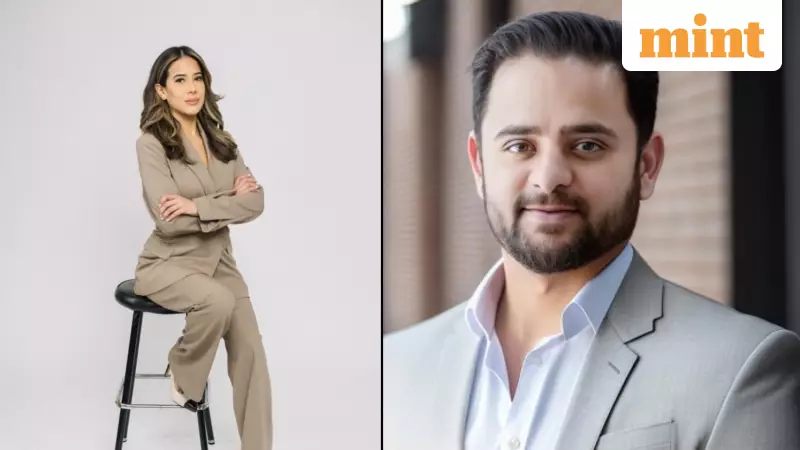
Amid the growing concerns, Saurabh Arora, Founder & CEO of University Living—a firm advising Indian students on overseas housing—highlighted common but costly errors applicants must avoid. He emphasized that Indian visa seekers should operate under the assumption that their entire digital footprint may be reviewed in context, not in isolation.
"Social media posts, LinkedIn profiles, and public comments are routinely cross-checked against visa applications," Arora told Livemint. He pointed out that inconsistencies such as mismatched job roles, posts suggesting a long-term stay while applying for a temporary visa, or casual remarks about unauthorized work can create significant and avoidable risk.

Arora specifically warned against last-minute digital clean-ups. "Deleting accounts, changing usernames, or suddenly making profiles private rarely helps and can appear reactive to visa officers," he cautioned. Another overlooked issue is engaging with speculative or misleading immigration content online, which can complicate how an applicant's intent is perceived.
Why Deleting Social Media Before an Interview Can Backfire
Immigration experts strongly advise against deleting posts or deactivating accounts ahead of a US visa interview, warning such actions can raise red flags. US visa forms require disclosure of all social media handles used over the past five years. "Sudden changes close to the interview can appear evasive," an expert noted.
Social media activity is playing an increasingly pivotal role in visa scrutiny, even for otherwise strong applications. Experts report cases where an online presence triggered deeper questioning and administrative processing due to mismatches with the formal application.
One cited instance involved a LinkedIn profile hinting at freelance work not mentioned in the visa narrative or supporting documents. "That gap led to additional scrutiny and a slower outcome, even though the underlying case was otherwise solid," the expert explained. The key takeaway is that social media becomes problematic primarily when it contradicts formally declared information.
Heightened Scrutiny for H-1B, H-4, and F-1 Visa Categories
Ana Gabriela Urizar, a US immigration attorney with nearly a decade of experience, confirms heightened scrutiny across nonimmigrant visa categories. The impact is strongest on H-1B and H-4 visas, followed closely by F-1 student visas. While the policy applies globally, Urizar notes Indian applicants are disproportionately affected due to the sheer volume of applications, leading to appointment cancellations, longer waits, and more administrative processing.
Offering strategic advice to anxious applicants, Urizar said, "Take a breath and be strategic. Many visas are still being approved, but this is no longer a process to navigate casually. Preparation, consistency, and professional guidance matter more than ever."
She further warned applicants to be cautious with online activity, especially political or institutional commentary that could be misinterpreted. "There is no official list of 'prohibited' content, so awareness and consistency matter more than perfection," Urizar concluded. For Indian families dreaming of an American future, the message is clear: align your digital story perfectly with your paperwork.