

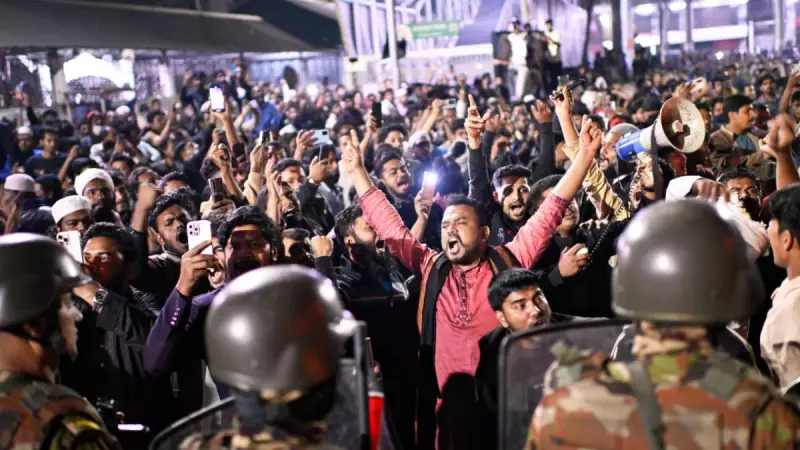
A recent human rights investigation has uncovered a disturbing pattern of violence against the Hindu minority in Bangladesh, revealing that false accusations of blasphemy are a primary driver of these attacks. The report, which meticulously documents incidents from recent years, paints a grim picture of how fabricated charges are used to incite mob violence, leading to destruction of property, physical assaults, and creating an atmosphere of pervasive fear.
The Alarming Findings of the Report
The human rights assessment, made public in December 2024, systematically analyses a series of attacks targeting the Hindu community. It found that in numerous cases, baseless allegations of insulting Islam or desecrating religious texts were strategically employed. These accusations, often spread rapidly through social media and local rumours, act as a catalyst for large, aggressive mobs.
The report details that these mobs, fueled by the inflammatory claims, frequently attack Hindu homes, businesses, and places of worship. The violence extends beyond property damage to include physical threats and assaults against individuals and families. This systematic targeting has forced many Hindus to flee their villages, becoming internally displaced within their own country due to the constant threat of vigilante action.

Mechanisms of Persecution and Social Impact
The methodology behind these attacks follows a concerning template. An allegation surfaces, sometimes over petty disputes or purely as a tool of harassment, accusing a Hindu individual of blasphemy. Despite a frequent lack of evidence, the charge gains traction. Local community leaders or influential figures sometimes amplify these claims, leading to rapid mobilization.
Law enforcement's response has been highlighted as a critical failing. The report indicates that instead of preemptively protecting the accused or dispersing unlawful assemblies, police often arrive after the violence has peaked. In some instances, the victims—the Hindus facing threats—are even detained on the basis of the unverified complaints, adding legal harassment to physical insecurity. This perceived impunity for the perpetrators and the lack of protective action from authorities embolden attackers and deepen the community's sense of vulnerability.
Broader Consequences and Calls for Action
The consequences of this trend are severe and multifaceted. Beyond the immediate trauma and loss, there is a slow erosion of the social fabric and the secular principles enshrined in Bangladesh's constitution. The Hindu population, a significant minority, lives under a shadow of anxiety, affecting their participation in public life and economic activities.
Human rights organizations and activists cited in the report are urging the Bangladeshi government to take decisive steps. Their recommendations include:
- Strengthening legal frameworks to prevent the misuse of blasphemy laws and ensure swift punishment for those making false accusations with malicious intent.
- Improving police response protocols to prevent mob violence, including proactive protection for accused individuals until allegations are properly investigated.
- Launching public awareness campaigns to promote interfaith harmony and counter the spread of hate speech and misinformation, particularly online.
- Ensuring justice and rehabilitation for the victims of past attacks, including compensation for destroyed property.
The report serves as a crucial document, shifting the narrative from isolated incidents of communal tension to a documented pattern of persecution enabled by false charges. It underscores an urgent humanitarian and governance crisis that demands immediate attention to protect the rights and safety of a vulnerable religious minority in Bangladesh.






