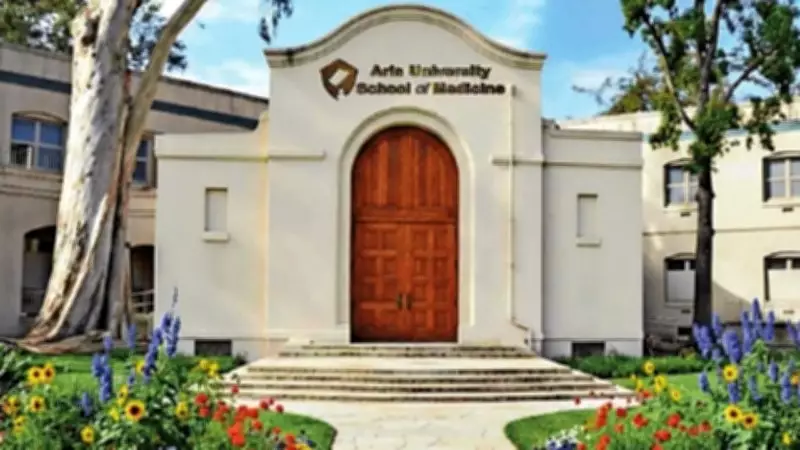
Aria University in California Blends Indian Tradition with Modern Education
While many universities in the Telugu states witness declining support for courses like MA Sanskrit and Philosophy, a private institution in the United States is taking a bold stand to promote Indian languages and culture. Aria University, located in Milpitas, California, and formerly known as the University of Silicon Andhra, is pioneering a unique educational model that integrates traditional arts and language programs with contemporary studies in technology, business, and health sciences.
Founding Vision and Accreditation
Founded by Anand Kuchibhotla, a native of Andhra Pradesh who moved to the US in 1987, Aria University represents the first institution established by a Telugu individual outside India dedicated to advancing arts and culture. Anand, who serves as the current president, initiated the university project in 2013, secured approvals by 2016, and commenced classes in January 2017. The university has achieved accreditation from the Western Association of Schools and Colleges (WASC), a recognition comparable to NAAC accreditation in India, underscoring its academic credibility.
Anand highlighted the inspiration behind this venture, noting that communities such as the Chinese, Japanese, and Jews have long established private universities in the US. "Why shouldn't we have our own university teaching Indian culture and languages, even if only through some part-time courses?" he remarked in an interview, emphasizing the importance of cultural preservation in a diverse immigrant landscape.

Diverse Course Offerings and Enrollment
With approximately 500 students enrolled, Aria University provides a rich array of programs that celebrate Indian heritage. Courses include Bharatanatyam, violin, yoga, ayurveda, and natural medicine, catering to both artistic and wellness interests. In a bid to revive Telugu traditions, the university offers specialized classes in Harikatha and Burrakatha, storytelling forms that blend music and spirituality, along with fundamentals of playwriting, Padya and Geya (lyrical writing), and creative writing in Telugu.
Looking ahead, the university is planning to expand its impact through initiatives like 'Y4Y' (Yoga for Youth), which will involve introductory workshops in US schools, and the introduction of a PhD program in Kuchipudi. These efforts aim to foster a deeper appreciation for Indian cultural practices among younger generations and academic circles.
Challenges and Future Prospects
When questioned about potential difficulties in founding and operating the university, Anand expressed optimism, citing the US's large immigrant population as a supportive environment. "We did not face any issues," he stated, reflecting on the smooth journey thus far. This positive experience underscores the potential for cultural institutions to thrive in multicultural settings, offering a model for other diaspora communities.
As Aria University continues to grow, it stands as a testament to the enduring relevance of Indian arts and languages in global education, bridging traditional knowledge with modern academic frameworks to enrich both local and international communities.