US Troops Leak Sensitive Iran War Plans, Stripper Reveals Disturbing Details
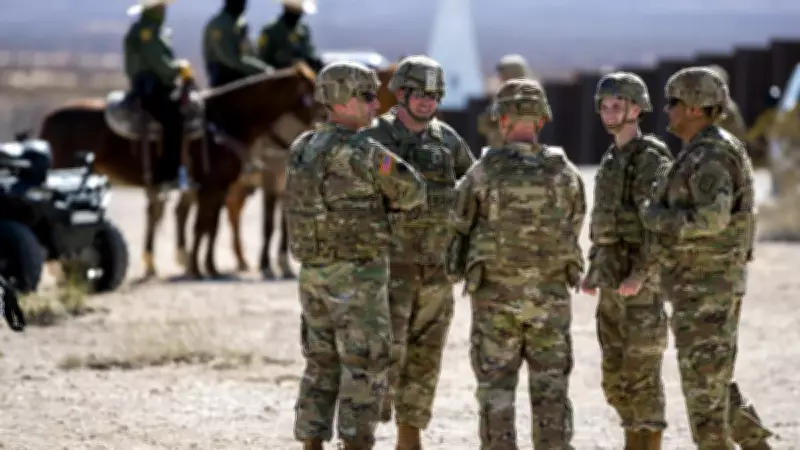
In a shocking breach of military protocol, American soldiers have been accused of leaking classified information regarding potential military operations against Iran. The revelations came to light through an unlikely source: a stripper who interacted with these troops at a local establishment.
Stripper's Account Exposes Troubling Security Lapses
The stripper, whose identity remains confidential for safety reasons, reported that several US servicemen openly discussed sensitive deployment plans and operational strategies related to Iran during their visits. According to her account, these soldiers appeared visibly depressed and emotionally distressed, which may have contributed to their indiscreet behavior.
The conversations reportedly included details about troop movements, potential strike targets, and timeline projections for military engagement with Iran. This information, if accurate, represents a significant security compromise that could jeopardize both operational secrecy and soldier safety.

Psychological State of Soldiers Raises Concerns
What makes this incident particularly troubling is the psychological state of the soldiers involved. The stripper described them as "depressed" and "emotionally vulnerable," suggesting they might have been seeking comfort or relief from their anxieties about potential deployment.
"They seemed really down about the possibility of going to Iran," the stripper recalled. "They kept talking about what might happen, what they might have to do. It was clear they were struggling with the idea."
This raises important questions about:
- The mental health support available to military personnel
- Protocols for identifying and assisting emotionally distressed soldiers
- Security training regarding information disclosure
- The psychological impact of potential high-conflict deployments
Military Security Protocols Under Scrutiny
The incident has prompted serious questions about the effectiveness of current security protocols within the US military. While soldiers receive extensive training about operational security (OPSEC), this case suggests that emotional distress can override even the most rigorous training.
Military analysts note that such security breaches, while rare, can have devastating consequences:
- Compromise of strategic advantage in potential conflicts
- Risk to soldier safety through information exposure
- Damage to international diplomatic relations
- Erosion of public trust in military institutions
Broader Implications for US-Iran Relations
This security breach comes at a particularly sensitive time in US-Iran relations. While the exact nature and timing of any potential military action remains classified, the mere discussion of such plans by distressed soldiers could influence diplomatic calculations on both sides.
The incident highlights the complex intersection of military preparedness, psychological well-being, and national security. As investigations continue, military officials face the dual challenge of addressing security lapses while also providing better support for soldiers' mental health.
This case serves as a stark reminder that national security depends not just on technology and strategy, but equally on the psychological resilience and discipline of individual service members.