In a significant policy shift, the United States has indicated a potential easing of sanctions on Venezuela's crucial oil exports, alongside moves to unlock nearly $5 billion in frozen international funds. This development follows the dramatic arrest of Venezuela's President Nicolas Maduro by US forces.
Sanctions Review and Oil Revenue Access
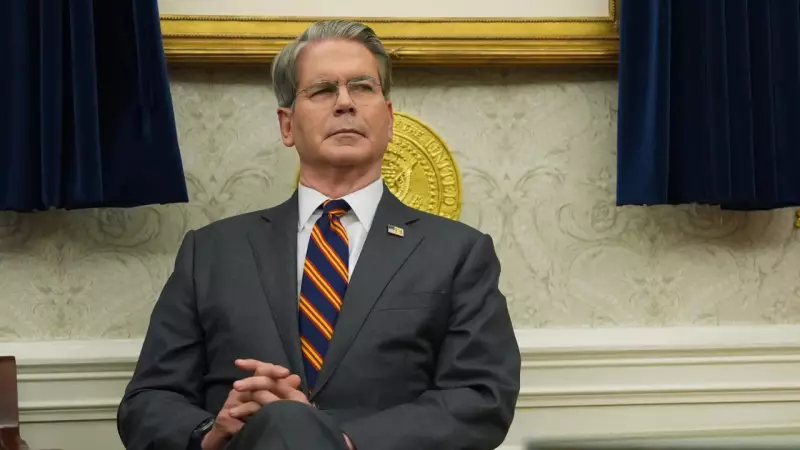
US Treasury Secretary Scott Bessent, in a Friday interview with Reuters, outlined the administration's focus on helping Venezuela regain access to its oil revenues. "We're de-sanctioning the oil that's going to be sold," Bessent stated. He explained the ongoing review is aimed at finding mechanisms to allow proceeds from oil sales to return to Venezuela for essential government operations and public welfare.
"How can we help that get back into Venezuela, to run the government, run the security services and get it to the Venezuelan people?" Bessent questioned, highlighting the Treasury's revised approach. This stance is backed by an executive order signed by President Donald Trump, which protects Venezuelan oil revenue held in US accounts from legal claims, aiming to safeguard these funds for the nation's future "peace, prosperity and stability."

Unlocking Billions in IMF and World Bank Funds
Parallel to the oil sanctions review, the US Treasury is orchestrating a major financial reintegration for Venezuela. Discussions are scheduled with the heads of the International Monetary Fund (IMF) and the World Bank concerning Venezuela's re-engagement with these institutions.
The central plan involves converting Venezuela's IMF Special Drawing Rights, valued at approximately $4.9 billion, into usable dollars to fund reconstruction efforts. This strategy mirrors a successful move with Argentina last year, where a $20 billion swap line helped stabilize their economy. This marks a historic pivot, as the IMF has not formally engaged with Venezuela for over two decades, with its last assessment conducted in 2004. Venezuela's last interaction with the World Bank was in 2007.
Private Sector Return and Future Outlook
Secretary Bessent anticipates a swift return of smaller private companies to Venezuela's oil sector, even as some larger players remain cautious. "I think it's going to be the typical progression where the private companies can move quickly and will come in very quickly," he predicted. He noted that Chevron, which maintained operations in the country, is likely to expand its commitment.
Furthermore, Bessent suggested a potential role for the US Export-Import Bank in financing Venezuela's oil sector revival, aligning with earlier comments from US Energy Secretary Chris Wright. These combined actions—easing oil sanctions, unlocking billions in frozen assets, and encouraging private investment—represent the most substantial shift in US-Venezuela relations in recent history, potentially redirecting the country's economic trajectory.