US Energy Department Orders Grid Operators to Tap Data Centers for Backup Power During Winter Storm
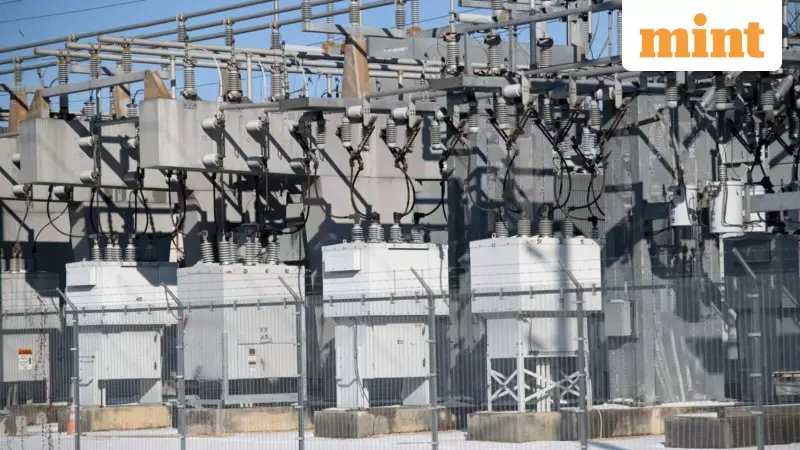
In an unprecedented emergency move, the US Energy Department has directed grid operators across the country to utilize backup electricity generation from facilities such as data centers, manufacturing plants, and retail businesses. This directive aims to prevent potential blackouts as a severe winter storm threatens to batter much of the nation over the weekend, posing significant risks to energy infrastructure and travel.
Emergency Measures to Keep Lights On
Energy Secretary Chris Wright announced that electricity providers have been instructed to tap into available backup power if regional demand nears levels that could lead to outages. "We’re going to do everything we can to keep the lights on and to keep power prices down during the storm," Wright stated in an interview. He emphasized that this program, developed over several months, could also be implemented during peak summer demand periods, highlighting its potential as a long-term strategy.
The Energy Department sent a letter to energy reliability coordinators and balancing authorities on Thursday, declaring a "national energy emergency" and invoking legal authority under a law that allows the energy secretary to control electricity generating facilities in crisis situations. This step is particularly notable because data-center operators and other businesses typically do not distribute energy onto the grid, making the initiative a departure from standard practices.

Addressing Energy Challenges Posed by AI and Data Centers
This emergency action represents the latest effort by the administration to tackle energy challenges exacerbated by the rapid growth of artificial intelligence and data centers. Under pressure to address high living costs, President Trump recently commended Microsoft for committing to self-fund power for its data centers. Wright and other officials have collaborated with a bipartisan group of governors to urge PJM Interconnection, the nation's largest grid operator, to ensure tech companies cover the elevated costs associated with these facilities.
Analysts from Jefferies warned that if energy demand exceeds expectations and weather conditions become more extreme than normal, many parts of the US could experience power outages. They identified rising data-center power consumption as a key factor contributing to this risky backdrop. Wright's efforts are focused on averting rolling blackouts, a last-resort measure to balance electricity supply and demand during grid strain.
Technical and Environmental Considerations
Many data centers and manufacturing plants maintain tens of industrial diesel generators on-site to generate their own electricity during outages. The administration's plan leverages this capacity during demand spikes. Wright first highlighted the potential of these generators at a conference last month, estimating they could produce 35 gigawatts of power—enough to supply millions of homes—and help combat rising utility costs.
However, the use of diesel generators raises concerns about carbon emissions and potential conflicts with Environmental Protection Agency rules in certain states. Wright and other officials have previously dismissed similar concerns, attributing energy shortages to environmental regulations. Additionally, it remains unclear how the plans will be executed on short notice or whether technical hurdles might arise.
Broader Regulatory Context
In related developments, Wright recently instructed the Federal Energy Regulatory Commission (FERC) to draft new rules for overseeing how giant data centers connect to the power grid, a process typically managed by states. This move underscores the administration's proactive approach to integrating data centers into the national energy framework while addressing immediate crises like the impending winter storm.

As cold weather and snow threaten to disrupt energy systems and travel, natural-gas prices have already surged in anticipation. The Energy Department's emergency measures aim to mitigate these impacts, though they do not address outages caused by weather-related damage to the grid itself. This initiative reflects a growing recognition of the critical role data centers play in modern energy resilience and the need for innovative solutions in times of crisis.