US Supreme Court Limits Presidential Tariff Authority in Landmark Ruling
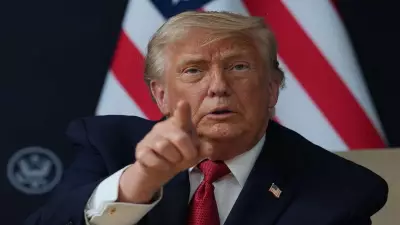
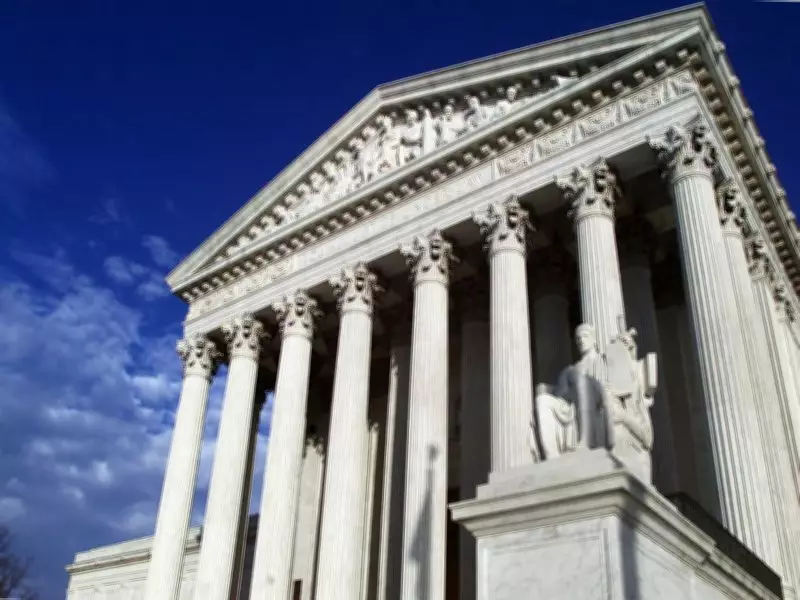
In a significant decision impacting international trade and executive power, the United States Supreme Court has struck down the sweeping tariff authorities previously exercised by former President Donald Trump. The ruling, delivered by the nation's highest judicial body, curtails the ability of a sitting president to unilaterally impose broad tariffs without explicit approval from Congress.
Background and Legal Challenge
The case centered on tariffs implemented during the Trump administration, which leveraged expansive interpretations of presidential power under existing trade laws. Critics and legal challengers argued that these actions exceeded statutory limits and encroached upon the legislative domain of Congress, which holds constitutional authority over trade and taxation matters.
The Supreme Court's majority opinion emphasized the necessity of congressional oversight in trade policy, stating that while presidents have certain discretionary powers, they cannot bypass legislative mandates to impose tariffs on a wide scale. This decision reinforces the separation of powers doctrine, a cornerstone of the US governmental framework.

Implications for Trade and Governance
The ruling has immediate and far-reaching consequences:
- Presidential Authority: Future administrations will face stricter limitations when attempting to enact tariffs, requiring clearer statutory support or congressional approval.
- Trade Policy Stability: The decision may lead to more predictable and stable international trade relations, as unilateral tariff impositions become harder to justify legally.
- Global Economic Impact: By curbing executive overreach, the ruling could influence global trade dynamics, potentially reducing tariff-related uncertainties that have affected markets worldwide.
Legal experts note that this judgment sets a precedent for interpreting trade laws, ensuring that presidential actions align more closely with legislative intent. It also highlights the judiciary's role in checking executive power, particularly in areas with significant economic ramifications.
Reactions and Future Outlook
Reactions to the ruling have been mixed, with proponents applauding the reinforcement of congressional authority and critics warning it might hinder swift trade responses. The decision does not invalidate all tariffs but requires a more rigorous legal basis for their implementation.
Looking ahead, this ruling could prompt legislative reviews of existing trade statutes to clarify presidential powers. It also underscores the ongoing debates over executive discretion in an era of complex global trade challenges, balancing efficiency with democratic accountability.