

Viral Spring Break Video Exposes Knowledge Gaps Among US College Students
A short video clip featuring college students on spring break has rapidly spread across social media platforms, sparking intense discussions about youth awareness and political participation. The footage, which originally aired on Jesse Watters Primetime and was subsequently reported by the New York Post on March 24, 2026, captures students being asked straightforward questions about current world events and political figures.
Students Display Startling Lack of Global Awareness
The video reveals numerous students unable to answer basic questions about international affairs. When questioned about significant global conflicts, one student incorrectly stated that the United States was currently at war with Iraq. Another admitted to having never heard of Iran's supreme leader, while a third student openly expressed confusion by asking, "Who the f is ayatollah?"
Beyond geographical and political misunderstandings, several responses highlighted concerning priorities. One participant identified getting a tan as the most pressing current issue, while others discussed party plans and vacation arrangements instead of addressing substantive global matters. In a particularly notable moment, a student confused Venezuela with Spain, demonstrating significant geographical knowledge gaps.

Matt Walsh's Controversial Response and Voting Age Proposal
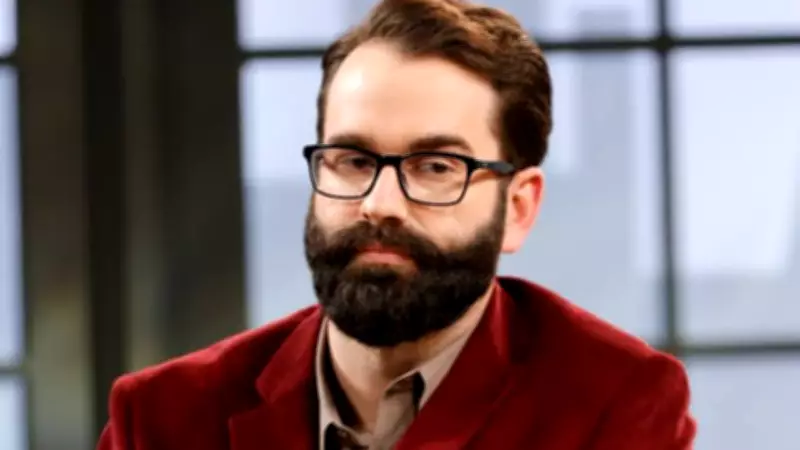
Conservative commentator Matt Walsh reacted strongly to the viral footage on March 25, 2026, posting his views on platform X where they quickly gained traction. Walsh wrote unequivocally, "We should all just agree that 19 year olds are stupid and don't know anything, and that's basically fine, but it's also why they shouldn't be able to vote. Raise the voting age to 25."
Walsh emphasized that while such spring break interviews have existed for years, the fundamental issue remains unchanged: young people with limited world knowledge are permitted to participate in democratic elections. His comments immediately polarized online audiences, with some supporting his position while others countered that age alone doesn't determine political awareness or voting capability.
Broader Concerns About Education System Failures
Walsh expanded his critique beyond the viral video, connecting student knowledge gaps to systemic educational problems. In a separate post dated February 25, 2026, he argued that the United States public education system is fundamentally failing students by not providing adequate foundational knowledge.
The commentator specifically highlighted concerns about technological dependencies in modern learning, suggesting that tools like ChatGPT enable students to complete assignments without genuine comprehension. According to Walsh, this reliance on artificial intelligence undermines authentic learning and critical thinking development.
As potential solutions, Walsh advocated for alternative educational approaches including:
- Increased homeschooling opportunities
- Expansion of small private school options
- Fundamental reforms to public education curricula
Ongoing Debate About Youth Political Participation
While no official changes to voting laws have been proposed following this viral incident, the conversation has reignited broader discussions about several interconnected issues:
- The quality and effectiveness of contemporary education systems
- The appropriate age for political participation and civic responsibility
- The role of digital media in shaping youth awareness and priorities
- The balance between age-based restrictions and individual capability assessments
The viral video and subsequent reactions have created a renewed examination of how society prepares young people for civic engagement, with particular focus on whether current educational approaches adequately equip students with the knowledge necessary for informed voting decisions.






