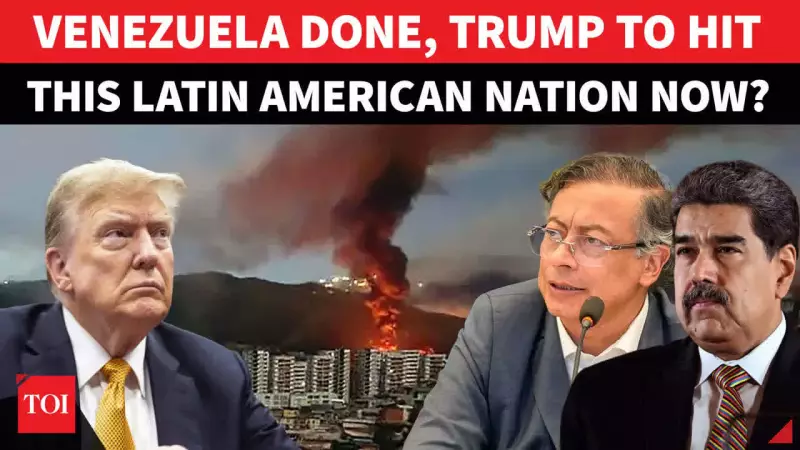
Latin America has been plunged into a severe crisis following a decisive military strike by the United States on Venezuela. The action, hailed by Washington as necessary, has sent shockwaves across the region, triggering immediate security and diplomatic responses from neighbouring nations.
Colombia's Swift Border Mobilisation And Diplomatic Fury
Reacting with urgency to the explosive situation next door, Colombia has taken robust defensive measures. The government has deployed military forces to its shared border with Venezuela, bracing for a potential surge in refugees fleeing the conflict. The move underscores deep concerns about regional spillover and instability.
Colombian President Gustavo Petro has launched a sharp diplomatic offensive, vehemently condemning the US attack. He has rejected what he terms foreign aggression, forcefully advocating for dialogue, national sovereignty, and an emergency response from the United Nations. Petro's stance highlights the deep political divisions in the region regarding external intervention.

Regional Flashpoints And Escalating Fears
With security forces across Latin America on high alert and diplomatic channels working overtime, a palpable fear is growing. The central concern among analysts and governments is that Venezuela may not be the final flashpoint in this rapidly unfolding crisis. The spectre of further US operations, including the potential capture of key allies of Venezuelan leader Nicolás Maduro from other nations, is fuelling tensions.
The situation remains fluid and dangerously volatile. The activation of Venezuela's defence command and the movement of its troops indicate preparations for a prolonged confrontation. The international community watches anxiously, worried that the conflict could draw in other regional actors and destabilise the entire continent.
A Continent On The Brink
The events of January 4, 2026, mark a dramatic and dangerous escalation in Western Hemisphere politics. The US military action has effectively redrawn the lines of engagement in Latin America, forcing neighbouring countries to choose sides between supporting intervention or defending principles of sovereignty. Colombia's proactive measures show it is preparing for the worst-case scenario, while President Petro's rhetoric frames the conflict as a battle against imperialism.
As the crisis deepens, the key questions remain: How far is the United States willing to go? Will other Latin American nations be drawn directly into the conflict? The coming days will be critical in determining whether this remains a bilateral confrontation or explodes into a wider regional war, with humanitarian and political consequences that could last for generations.