US Foreign Policy in Flux: Trump Rejects Troop Deployments as Aide Weighs Iran Sanctions Relief
In a significant development that could reshape America's global engagements, former President Donald Trump has publicly declared his opposition to deploying US troops anywhere abroad. Simultaneously, a senior aide from his administration is reportedly mulling over the possibility of lifting sanctions on Iranian oil exports. This dual announcement marks a potential pivot in US strategic thinking, blending isolationist rhetoric with pragmatic economic considerations.
Trump's Firm Stance Against Military Interventions
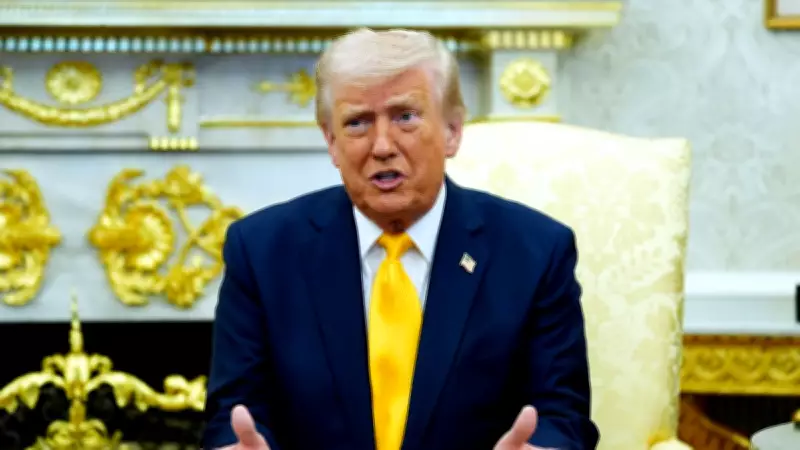
Donald Trump has reiterated his long-held position against foreign military entanglements, stating unequivocally that he is "not putting troops anywhere." This declaration underscores his commitment to an "America First" approach, which prioritizes domestic interests over international policing. During his previous tenure, Trump frequently criticized costly overseas deployments, arguing they drained resources and endangered American lives without clear benefits.
The former president's remarks come amid ongoing debates about US involvement in global conflicts and peacekeeping missions. His stance resonates with a segment of the electorate weary of prolonged military engagements, yet it also raises questions about America's role in maintaining global stability and supporting allies.

Top Aide Explores Easing Sanctions on Iranian Oil
In a parallel move that could have far-reaching economic and diplomatic implications, a key aide close to Trump is actively considering proposals to lift sanctions on Iranian oil. This potential policy shift aims to address global energy market pressures and reduce tensions in the Middle East. The sanctions, originally imposed to curb Iran's nuclear ambitions and regional influence, have significantly restricted its oil exports, impacting global supply chains.
Lifting these sanctions could lead to several outcomes:
- Increased global oil supply, potentially lowering prices and easing inflationary pressures.
- Enhanced diplomatic engagement with Iran, opening doors for renewed negotiations on nuclear agreements.
- Strain on relationships with traditional allies like Israel and Saudi Arabia, who view Iran as a regional threat.
The aide's deliberations reflect a strategic calculus that balances economic incentives with geopolitical risks, suggesting a more nuanced approach to foreign policy than often attributed to the Trump camp.
Broader Implications for US Global Strategy
These developments signal a possible recalibration of US foreign policy, blending restraint in military matters with flexibility in economic sanctions. Trump's anti-deployment stance aligns with growing public skepticism toward endless wars, while the Iran sanctions review indicates a willingness to use economic tools as levers for diplomatic progress.
Experts note that such shifts could redefine America's international footprint:
- Reduced military presence abroad might encourage regional powers to assume greater security responsibilities.
- Easing oil sanctions could stabilize energy markets but require careful management to prevent empowering adversarial regimes.
- The combined approach may appeal to voters seeking a pragmatic yet restrained foreign policy, distinct from interventionist or isolationist extremes.
As these ideas gain traction, they are likely to influence ongoing policy debates and shape the contours of future US engagements on the world stage.