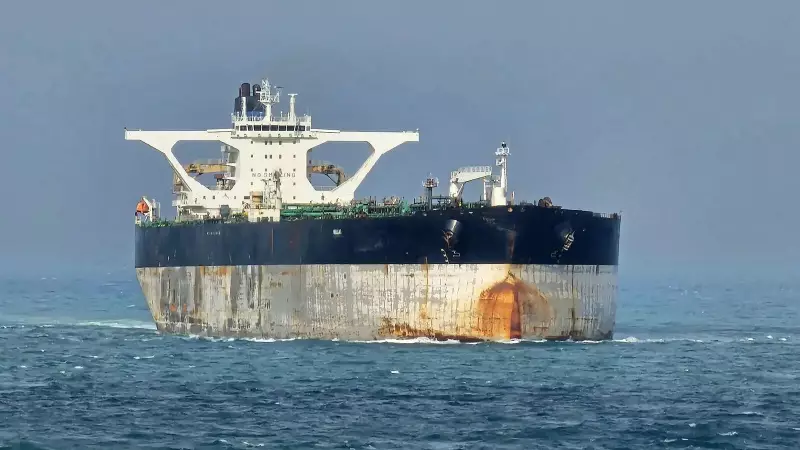
In a dramatic high-seas operation, the United States military has seized a Russian-flagged oil tanker in the North Atlantic, an incident that has drawn sharp diplomatic reactions and involves a multinational crew including three Indian nationals. The seizure, which occurred on Wednesday, January 7, underscores the escalating tensions over global sanctions enforcement.
The Seizure and the International Crew
The intercepted vessel, the oil tanker Marinera, was carrying a total of 28 crew members from several nations. According to details provided by the Russian Transport Ministry, the crew comprised 17 Ukrainians, 6 Georgians, 3 Indians, and 2 Russians. The US authorities, assisted by Britain, stated that the tanker was part of a "shadow fleet" used to transport oil for countries under US sanctions, namely Venezuela, Russia, and Iran.
Contact with the vessel was lost when US military personnel boarded it. The US Coast Guard later escorted the tanker to an American port after authorities claimed that Guyana, whose flag the vessel was reportedly operating under at the time of interception, did not confirm its authorization to sail.

Accusations of Sanctions Evasion and Russian Response
The British government, supporting the US action, released a statement alleging the tanker had been involved in illicit activities. They claimed it turned off its transponders at sea and attempted to reflag while being pursued, actions indicative of sanctions evasion. The statement further controversially linked the vessel's activities to "international terrorism and crime including Hezbollah," the Iranian-backed Lebanese force.
Russia has vehemently protested the detention. Moscow's Foreign Ministry, cited by the TASS news agency, demanded that Washington ensure the humane and dignified treatment of the Russian nationals aboard and called for their prompt return. The Russian Transport Ministry clarified that the Marinera had received a temporary permit to fly the Russian flag on December 24, 2025, asserting this was done in compliance with Russian and international law.
Geopolitical Implications and the Shadow Fleet
This incident highlights the ongoing cat-and-mouse game on the world's oceans concerning sanction enforcement. The US and its allies are aggressively targeting vessels they believe form a parallel shipping network designed to circumvent economic penalties on oil exports from sanctioned nations. The British statement explicitly accused Russia of being part of this "interconnected shadow activity," claiming it threatens national security and global stability.
The seizure occurred in international waters, with Russia noting the boarding took place "on the high seas outside the territorial waters of any state." Reports indicate the vessel was initially tracked from the Caribbean Sea, was heading to Venezuela, and was followed by a US warship and NATO aircraft after it failed to comply with the US Coast Guard and changed course into the Atlantic Ocean.
For the three Indian crew members and their families, the event translates into an uncertain detention scenario amid a significant international dispute. The situation remains fluid, with diplomatic channels likely to be activated to address the status and release of all crew members involved in this high-stakes maritime confrontation.