In a dramatic maritime enforcement action, the United States has seized a Russian-flagged oil tanker with links to Venezuela. The move, confirmed on 07 January 2026, is seen as a significant escalation that could further strain Washington's already tense relations with Moscow.
The Chase and Seizure of the Bella-1
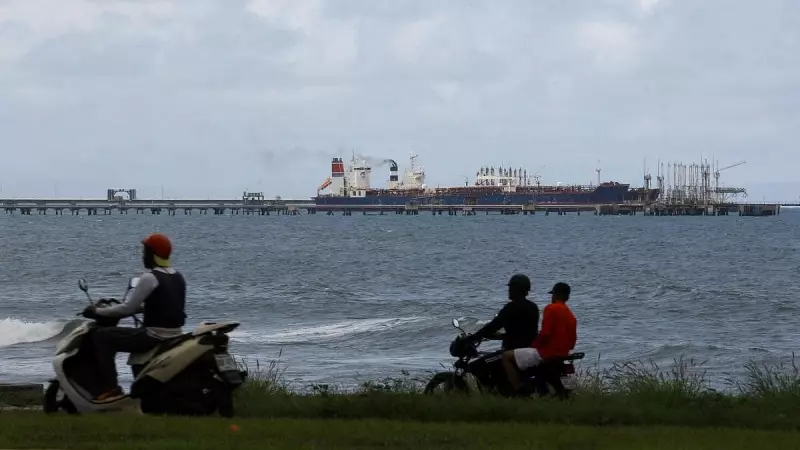
The vessel at the centre of this international incident is the tanker originally known as the Bella-1. According to reports, the ship managed to slip through what US authorities described as a maritime 'blockade' intended to enforce sanctions on tankers carrying Venezuelan oil. After this breach, the tanker reportedly rebuffed direct efforts by the U.S. Coast Guard to board and inspect it, leading to its eventual seizure.
A Direct Challenge to Sanctions Enforcement
This seizure represents a bold and physical assertion of US sanctions policy. Venezuela, under heavy US economic sanctions aimed at crippling its oil-dependent economy, has often relied on foreign-flagged vessels to export its crude. The targeting of a Russian-flagged vessel directly implicates another major global power in this circumvention, turning a regional sanctions issue into a potential flashpoint between superpowers. The act of seizing the ship after it evaded the blockade underscores Washington's determination to clamp down on sanctions evasion, regardless of the flag a vessel flies.

Potential Fallout and Rising Tensions
The repercussions of this seizure are likely to be felt far beyond the Caribbean Sea. Russia is expected to view the capture of one of its flagged vessels as a provocative act. This incident adds another layer of complexity to the fraught relationship between the US and Russia, which is already dealing with conflicts in other regions. For Venezuela, the seizure demonstrates the tightening net of US sanctions enforcement, potentially closing another loophole used to sustain its oil exports. The international community will be watching closely to see if Russia retaliates diplomatically or through other means, risking a new cycle of escalation.
The event, reported by the International New York Times, marks a clear shift from diplomatic warnings to tangible, high-stakes action on the high seas, setting a precedent for how the US may enforce its sanctions regime against adversarial states and their partners in the future.