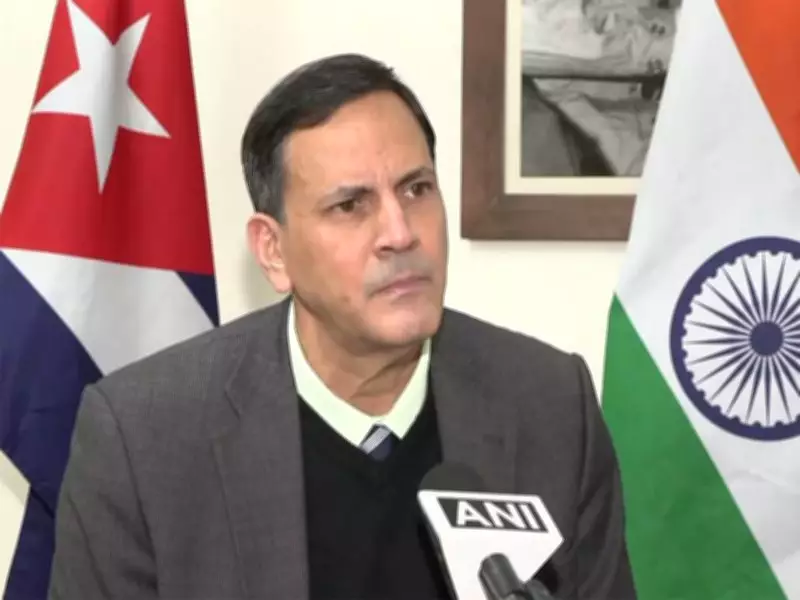
US Imposes Sanctions on Cuba's UN Envoy Juan Carlos Marsan Aguilera Over Criminal Allegations
In a significant diplomatic move, the United States has announced sanctions against Juan Carlos Marsan Aguilera, Cuba's envoy to the United Nations, citing alleged involvement in criminal activities. This action marks a notable escalation in the ongoing tensions between the two nations, with the US government taking a firm stance against what it describes as illicit behavior by a foreign representative.
Details of the Sanctions and Allegations
The sanctions target Juan Carlos Marsan Aguilera, who serves as Cuba's representative at the United Nations, based on accusations of criminal conduct. While specific details of the alleged activities have not been fully disclosed in public statements, US authorities have indicated that the envoy's actions violate international norms and US laws. This measure is part of a broader US policy aimed at combating corruption and criminal networks globally, with a particular focus on individuals linked to state actors.
The implications of these sanctions are far-reaching, potentially affecting diplomatic relations and international cooperation. By targeting a high-profile figure like Marsan Aguilera, the US sends a clear message about its commitment to enforcing accountability, even among foreign officials. This step could lead to increased scrutiny of other diplomats and may influence future interactions between the US and Cuba on various fronts, including trade and security matters.

Impact on US-Cuba Relations and International Diplomacy
This development comes at a time when US-Cuba relations have been strained, with historical conflicts and recent policy shifts contributing to a complex bilateral dynamic. The sanctions against Juan Carlos Marsan Aguilera are likely to exacerbate these tensions, as Cuba may view this as an unwarranted interference in its internal affairs and a challenge to its sovereignty. In response, Cuban officials have not yet issued a formal statement, but analysts predict that this could lead to retaliatory measures or a hardening of positions in ongoing negotiations.
From an international perspective, this move highlights the US's proactive approach in using sanctions as a tool for foreign policy. It underscores the growing trend of nations leveraging economic and diplomatic penalties to address perceived threats, which could set a precedent for similar actions against other countries. The United Nations, as the forum where Marsan Aguilera operates, may also face increased pressure to address such issues, potentially affecting its role in mediating conflicts and promoting global cooperation.
In summary, the US sanctioning of Cuba's criminal envoy Juan Carlos Marsan Aguilera represents a critical juncture in international relations, with potential ripple effects on diplomacy, security, and bilateral ties. As the situation unfolds, stakeholders will be closely monitoring the responses from both nations and the broader international community.