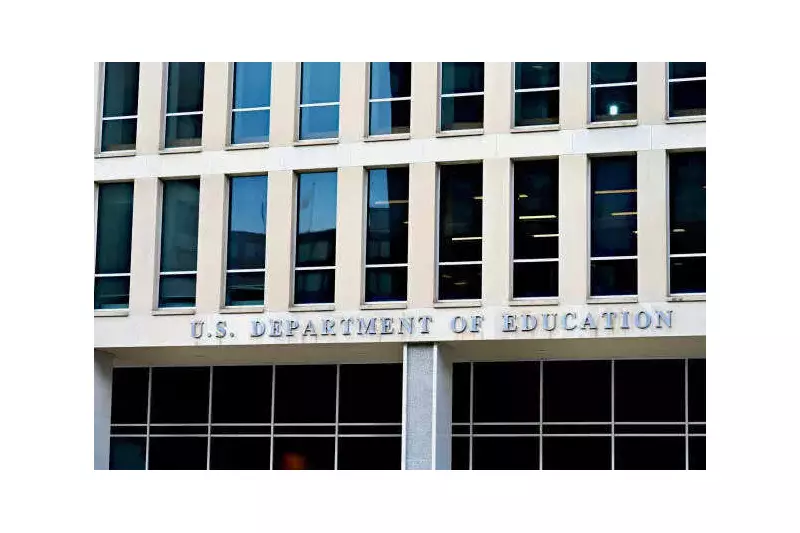
The US Department of Education has pressed pause on involuntary student loan collections. This temporary halt includes wage garnishments and federal offsets. The move comes as the Department prepares to roll out major changes through the Working Families Tax Cuts Act. These reforms aim to simplify repayment and give borrowers more control over their federal student loans.
Breaking Down the Complexity
For many Americans, student loans have been more than just a financial burden. They have created years of worry and stress. Borrowers often feel trapped by confusing repayment plans, complex regulations, and mounting interest. The new changes seek to cut through this complexity. They want to make it easier for people to navigate the system.
Making Repayment Simpler
Before these reforms, borrowers struggled to find their way through a maze of repayment options. Choosing the right plan was often confusing. Mistakes could lead to default or wasted interest payments. The updated regulations streamline everything. They will offer borrowers just two clear choices: a standard repayment plan and a simplified income-driven repayment (IDR) plan.

The new IDR plan is scheduled to start on July 1, 2026. It includes several borrower-friendly features. For those who make on-time payments, it will waive unpaid interest. This applies even if the payment does not cover all the interest that has accrued. In some cases, the Department will also add small matching payments. This ensures the loan principal decreases every month. Borrowers can now see real progress in paying off their debt. They won't just watch interest pile up unchecked.
A Second Chance for Borrowers in Default
One of the most important changes gives borrowers a second opportunity to rehabilitate a defaulted loan. Previously, borrowers had only one shot at rehabilitation. Defaulted loans can damage credit scores severely. They make it hard to access federal aid or secure other financial opportunities. With this reform, borrowers can rehabilitate their loans a second time. They can regain eligibility for federal aid. They can work toward restoring their financial health.
The pause in collections gives borrowers some breathing room. It allows them to explore these new options. People who felt unsure or overwhelmed by garnishments now have time to act. They can consolidate their loans or start a rehabilitation agreement. They can do this without the immediate threat of wage garnishment or tax offsets.
Why the Department Says This Matters
Nicholas Kent, the Under Secretary of Education, explained the thinking behind the reforms. He said they are designed to make repayment fairer and more transparent. "We want borrowers to understand their options and regain control of their finances," he stated. "By pausing collections while these improvements are implemented, we can build a system that truly supports borrowers and strengthens the long-term health of federal student loans."
What Borrowers Should Do Now
Even during this pause, borrowers in default should take action. The Department encourages them to contact their federal loan servicers. They should discuss repayment or rehabilitation options. Remember, defaulted loans are still reported to credit agencies. This can hurt credit scores. Taking steps now helps borrowers get ready for the new repayment plans. It can help them avoid further financial trouble.
A New Path Forward
These reforms mark some of the most significant changes to federal student loans in recent years. By simplifying repayment and offering second-chance rehabilitation, the Department hopes to provide real relief. Millions of Americans struggle with student loan debt. This pause and the new options could offer a genuine opportunity. It's a chance to regain financial stability and rebuild confidence in the system.